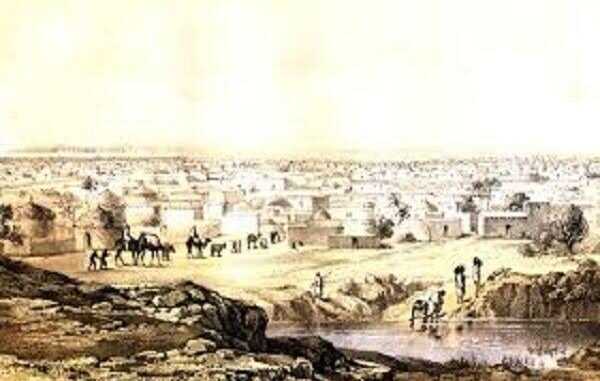
The name Nigeria is barely 110 years old. The nations inside it are not. Before 1914, the area now called the Giant of Africa was home to several large, independent kingdoms and empires.
They had governments, armies, trade networks, art, and laws that ran for centuries. When Britain merged them together, it did not create Nigeria from nothing. It joined existing civilizations into one border.
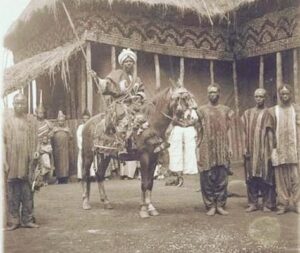
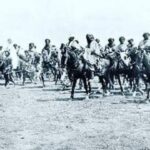
The Oyo Empire rose in the 14th century and dominated Southwest Nigeria until the 19th century. It was a Yoruba state known for a powerful cavalry and for controlling trade routes to the coast.
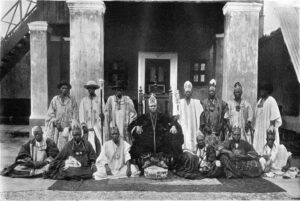
Politically, Oyo was not an absolute monarchy. The Alaafin was the king, but his power was checked by the Oyo Mesi, a council of noble kingmakers who could force an Alaafin to abdicate.
Spiritually, Yoruba life was organized around Ifá, a system of divination and wisdom with priests, verses, and moral codes. Oyo’s influence spread language, art, and governance across much of the Yoruba world.
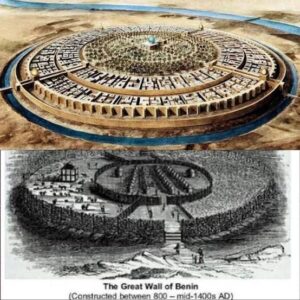
In the South-South, the Kingdom of Benin lasted from the 11th to the 19th century. It was a major trading state dealing in pepper, ivory, cloth, and later European goods.
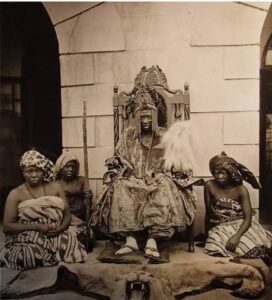
Benin is famous for two things. First, its engineering. The city was surrounded by massive earthworks and moats, some of the largest man-made structures in the pre-industrial world. Second, its art. Benin bronze plaques and sculptures showed a level of metallurgy that surprised early European visitors. The Oba ruled with a centralized administration, and Benin maintained diplomatic and commercial contact with Portugal and other powers for centuries.
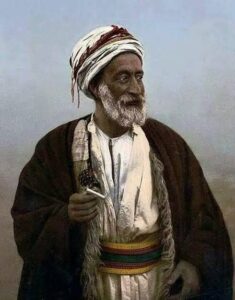
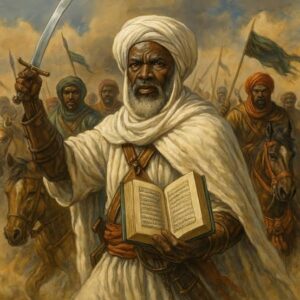
In 1804, Sheikh Usman dan Fodio led a reform movement in the Hausa states. The result was the Sokoto Caliphate, one of the largest states in Africa in the 1800s.
Sokoto unified much of Northern Nigeria under Islamic law. It created a system of emirates, courts, and tax collection. It also became a center of scholarship.
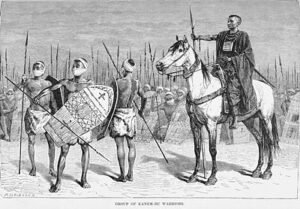
Scholars wrote in Arabic and Ajami, and literacy spread through Quranic schools. The caliphate’s structure influenced how Northern Nigeria was governed well into the colonial period.Around Lake Chad, the Kanem-Bornu Empire lasted from the 9th century to the 19th century, making it one of the longest-running states in world history.
The Kanuri rulers controlled trans-Saharan trade in salt, cloth, and horses. They maintained diplomatic relations with the Ottoman Empire, Egypt, and Morocco. Bornu was known for its cavalry, its bureaucracy, and its role as a link between West Africa and North Africa. Even as other states rose and fell, Bornu adapted and endured.
In the Southeast, the Kingdom of Nri lasted from around the 10th century to the early 20th century. It was unusual because it expanded without a large army.
Nri’s authority came from religion. The Eze Nri was a priest-king believed to have spiritual power to purify land and people. Nri was known as a sanctuary. It forbade human sacrifice and the enslavement of its own people, and it welcomed runaways.
Influence spread through priests and diplomacy rather than conquest, which is why Igbo culture in the region shares so many common institutions despite being politically decentralized.
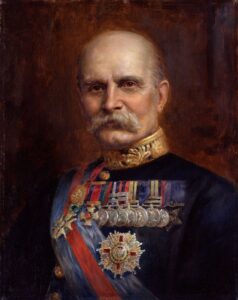
In 1914, Lord Frederick Lugard merged the Northern and Southern Protectorates into one country called Nigeria. The reason was administrative, not cultural. It was cheaper for Britain to run one territory than two.
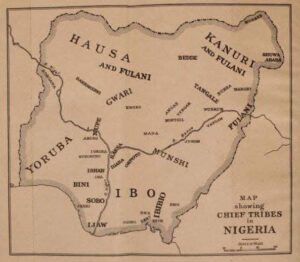
The problem was that the territories being merged were very different. The North had the Sokoto system and Islamic law. The West had Oyo and Yoruba city-states.
The South-South had Benin. The Southeast had Nri and other Igbo communities. The Northeast had Kanem-Bornu. Each had its own language, law, and history of statehood.
That merger did not erase those histories. It layered a new name over them.
Calling pre-colonial Nigeria “tribes” misses the point. These were kingdoms with taxes, courts, foreign policy, and standing armies. They traded globally, built cities, and produced art that is still studied today.
Understanding this changes how we see modern Nigeria. The tensions around federalism, religion, and regional power are not new. They are echoes of kingdoms that once ruled the same land independently.
Nigeria was not built on emptiness. It was built on Oyo, Benin, Sokoto, Kanem-Bornu, Nri, and many others. Remembering them is not about dividing the country. It is about telling the truth of what was here before the name Nigeria existed…See_More

 Around Lake Chad, the Kanem-Bornu Empire lasted from the 9th century to the 19th century, making it one of the longest-running states in world history.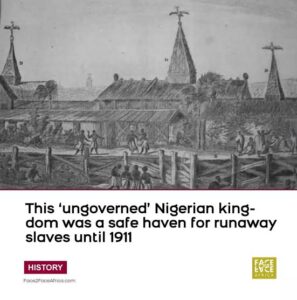

Leave a Reply