There is a story told with a simple metaphor. A farmer goes to borrow money to survive a bad season. The lender helps, but the conditions make it harder to plant his own food next year. Each new loan pays the old one, and the farmer stays broke. That is how a video on the IMF and Africa frames the relationship between many African countries and international lending.
The International Monetary Fund was created in 1944 at the Bretton Woods Conference. Its original purpose was to act as a global lender of last resort, helping countries manage balance of payments crises and keep their economies stable.
When a country asks for money, it usually has to accept conditions. These are called Structural Adjustment Programs. The typical package includes privatization of state companies, deregulation of markets, and austerity measures. That often means cutting government spending on health, education, and subsidies.
Another common condition pushes countries to focus on exporting cash crops and raw materials instead of growing food for local markets. The idea is to earn foreign currency to repay loans. The result can be dependence on volatile global prices and on imports for basic goods like rice, fuel, and medicine.
Egypt: Starting in the 1970s, Egypt moved away from state-led policies and turned to the IMF several times. Each program brought loans, but also debt growth and austerity. Price increases and subsidy cuts linked to these programs have repeatedly sparked public protests and civil unrest.
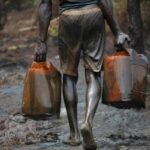
Angola: Angola has large oil reserves, but oil revenue was mismanaged and siphoned off by corruption. After the 2014 oil price crash, government income collapsed. The country borrowed to cover old debts and budget gaps, which kept it in a cycle of borrowing just to service previous loans.
Kenya: In recent IMF-backed budgets, Kenya expanded VAT to items like fuel. The goal was to raise revenue and reduce deficits. The immediate effect was higher transport and food costs, leading to inflation and widespread dissatisfaction among citizens who felt the cost of living was rising too fast.
Ghana: As part of reform advice, Ghana removed subsidies and protections for local rice farmers. Local production could not compete with cheaper imports. Over time, the rice industry shrank and Ghana became more dependent on expensive imported rice, exposing consumers to global price swings.
Nigeria: After the oil boom of the 1970s, oil prices fell and Nigeria faced a downturn in the 1980s. Under IMF-guided structural adjustment, the Naira was devalued and markets were liberalized. The devaluation made imports more expensive, inflation jumped, and many local factories struggled to survive. The reforms were meant to diversify the economy, but in practice they deepened hardship for many households.
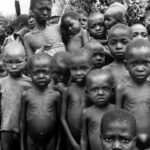
Critics argue that these programs create a debt trap. A large share of government revenue goes to paying interest instead of building schools, hospitals, roads, or factories. Cutting social services to meet loan conditions can weaken the very things a country needs to grow. Promoting export-led growth can make nations vulnerable when commodity prices fall.
Defenders of the IMF say the fund provides emergency money that no one else will lend, and that conditions are meant to restore fiscal discipline. They argue that without reforms, debt and inflation would be worse.
By prioritizing creditor interests and export dependence, IMF lending can undermine economic sovereignty. The farmer metaphor returns. If every harvest is used to pay interest, there is nothing left to plant for the future.
Whether you agree or not, the pattern is visible in the data. Loans arrive during crises. Conditions follow. Debt service rises. And many African countries keep returning to the same lender, with the same difficult trade-offs. That is the part of the story that is rarely taught in detail in school…See More



Leave a Reply