BRICSinfo reports that Iranian Supreme Leader Mojtaba Khamenei has reaffirmed a decade-old statement predicting the end of the “Zionist regime” within 25 years, framing it as a forward-looking prophecy amid renewed Iran-Israel tensions.
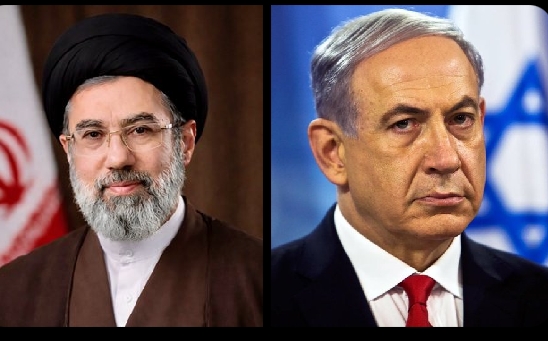
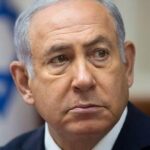
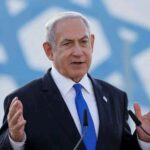
The post, shared on social media by BRICSinfo, included portraits of the Iranian leader and Israeli Prime Minister Benjamin Netanyahu alongside the flags of Iran and Israel. The imagery underscored the ongoing rhetorical confrontation between Tehran and Tel Aviv, which has intensified since the outbreak of direct hostilities in 2024 and 2025.
According to the report, Mojtaba Khamenei referenced a statement made by the “martyred Leader” ten years earlier. That statement traces back to a 2015 prediction by Iran’s Supreme Leader Ali Khamenei, who said Israel would cease to exist by around 2040. The 2026 reiteration revives that timeline, placing the supposed endpoint at roughly 25 years from the original declaration.
The post described the prediction as more than rhetoric, presenting it as a prophetic assessment of Israel’s long-term viability. It comes as Iran and Israel remain locked in a cycle of strikes, cyberattacks, and proxy engagements across the Middle East. Both sides have used public statements to signal resolve, with Israeli officials vowing to prevent Iran from acquiring nuclear weapons and Iranian officials warning of retaliation for any attack on Iranian soil or interests.
The revival of the 2040 prediction in 2026 is seen as both a message to domestic audiences and a signal to regional actors. For Iran’s leadership, the statement reinforces a narrative of resistance against what it calls illegal occupation and Western-backed aggression. For Israel, the remark adds to a pattern of threats that Israeli officials cite as justification for preemptive military and diplomatic action.
The BRICSinfo post did not provide new evidence or policy announcements, but its timing is significant. It follows months of heightened military exchanges between Iran and Israel, including missile and drone strikes in April and October 2025, and continued operations in Syria, Lebanon, and the Red Sea. Diplomatic efforts to de-escalate have yielded little progress, with talks in Qatar and Oman stalled over nuclear and regional security demands.
Analysts note that such predictions have been a consistent feature of Iranian state rhetoric since the Islamic Revolution in 1979. While they rarely translate directly into policy, they serve to mobilize domestic support and signal alignment with Iran’s network of allied groups across the region….See More


Leave a Reply