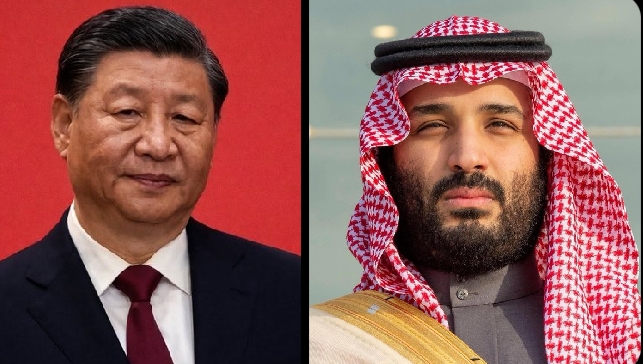
Chinese President Xi Jinping told Saudi Crown Prince Mohammed bin Salman during a phone call on April 20, 2026, that China is ready to strengthen bilateral cooperation with the kingdom, focusing on deeper strategic mutual trust and expanding practical ties.
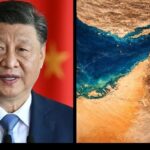
The discussion also addressed regional de-escalation efforts, support for a ceasefire, and the importance of keeping the Strait of Hormuz open for normal navigation amid ongoing Middle East tensions.
According to official Chinese readouts of the call, Xi emphasized that Beijing views its relationship with Riyadh as a long-term strategic partnership. He reportedly highlighted the need to consolidate political trust, enhance coordination on regional issues, and broaden cooperation in key sectors including energy, trade, and infrastructure.
The call comes at a time of heightened instability in the Gulf, with shipping security and energy supply routes under increasing global scrutiny.
Xi stated that China supports efforts aimed at calming regional tensions and promoting dialogue. “China is ready to work with Saudi Arabia to strengthen strategic mutual trust and deepen practical cooperation,” he said, according to the official summary of the conversation.
He also stressed the importance of safeguarding international energy supply chains and maintaining stability in critical waterways such as the Strait of Hormuz.
The Crown Prince reportedly echoed the importance of strong bilateral ties and discussed ongoing diplomatic efforts to promote a ceasefire and reduce escalation in the region.
Both leaders expressed concern about disruptions to maritime navigation and agreed on the need to ensure that the Strait of Hormuz remains open for normal commercial activity. The waterway is a vital artery for global oil shipments, and any instability there has direct implications for international markets.
Saudi Arabia remains China’s top oil supplier, with annual trade between the two countries exceeding $100 billion. Energy cooperation forms the backbone of the relationship, but ties have expanded significantly in recent years to include technology, investment, infrastructure development, and coordination within multilateral frameworks.
Beijing has increasingly positioned Riyadh as a key partner in its broader Middle East strategy, particularly as China seeks to secure stable energy supplies and expand its geopolitical influence.
The call reflects China’s growing diplomatic engagement in the Middle East, where it has sought to present itself as a stabilizing force. In recent years, Beijing has played a more active role in facilitating dialogue among regional powers while maintaining strong economic ties across rival blocs.
Analysts note that China’s balanced approach allows it to maintain relations with multiple actors, including Iran and Gulf states, without becoming directly involved in military conflicts…See More

Leave a Reply