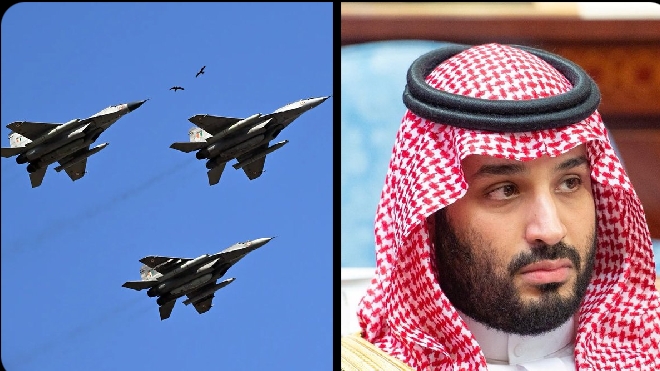
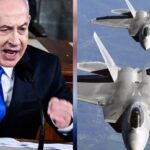
Pakistan has deployed approximately thirteen thousand troops and between ten and eighteen fighter jets to Saudi Arabia’s King Abdulaziz Air Base under a 2025 mutual defense pact, according to an announcement by the Saudi Ministry of Defense.
The deployment comes just days after the failure of US-Iran peace talks that were hosted in Islamabad, where Vice President JD Vance stated that Iran rejected US terms after twenty-one hours of negotiations focused on reopening the Strait of Hormuz and addressing nuclear issues.
The timing of the troop deployment, following immediately on the heels of Pakistan’s failed mediation effort, underscores the balancing act Islamabad is attempting to maintain, positioning itself as a neutral broker between Washington and Tehran while simultaneously fulfilling military commitments to Saudi Arabia, a key ally and financial supporter.
The 2025 mutual defense pact between Pakistan and Saudi Arabia formalised a relationship that has existed informally for decades. Pakistan has long provided military support to the kingdom, including training Saudi forces, deploying personnel to protect holy sites, and offering strategic consultation on security matters.
The pact codifies those arrangements and commits Pakistan to providing troops and equipment in the event that Saudi Arabia faces external threats. The deployment of thirteen thousand troops and fighter jets is the largest single mobilisation under the pact to date, and it signals that Pakistan views the current regional situation, marked by the US-Iran conflict, the closure of the Strait of Hormuz, and the potential for broader escalation, as serious enough to warrant a substantial military presence in Saudi Arabia.
The deployment also reflects Pakistan’s economic dependence on Saudi Arabia. The kingdom is one of Pakistan’s largest sources of financial support, providing loans, grants, and deferred payments for oil that have helped Islamabad avoid default on multiple occasions. Saudi Arabia’s willingness to continue that support is tied to Pakistan’s willingness to provide security and military cooperation in return, a relationship that critics describe as transactional and that supporters frame as mutually beneficial. The troops and jets heading to Saudi Arabia are not just a military deployment. They are part of a broader arrangement where Pakistan trades security services for economic lifelines.
The failure of the peace talks in Islamabad adds a layer of complexity to the deployment. Pakistan positioned itself as a neutral mediator capable of facilitating dialogue between the US and Iran, two countries with no direct diplomatic relations and deep mutual distrust.
The fact that the talks lasted twenty-one hours suggests that serious discussions took place, but the outcome – Iran’s rejection of US terms – means that the mediation failed to produce the breakthrough that would have justified Pakistan’s investment in hosting and facilitating the negotiations. The immediate deployment of troops to Saudi Arabia, a country that Iran views as a primary adversary in the region, undermines Pakistan’s claim to neutrality and suggests that its mediation role was always constrained by its existing commitments to Riyadh….See More


Leave a Reply