
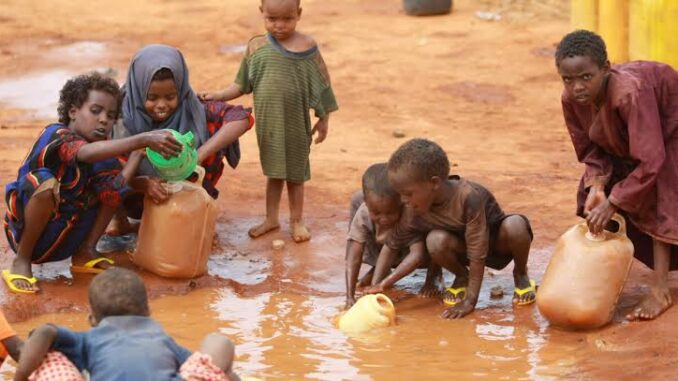
Poverty remains one of the most urgent global challenges. For millions of people, it means waking up without guaranteed food, safe shelter, clean water, or access to healthcare and education. While poverty exists in every region, its concentration is heaviest in countries facing conflict, climate shocks, and weak institutions.
According to recent data from WorldPopulationReview, several nations are struggling with poverty rates above 50 percent. Here are 9 of the countries most affected right now.
1. South Sudan – around 82 percent.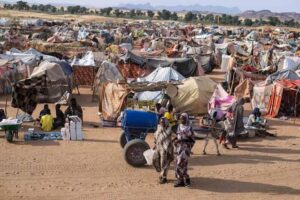
The world’s youngest nation has been locked in cycles of civil conflict since gaining independence in 2011. That instability has destroyed livelihoods, displaced millions, and collapsed basic services. With limited roads, hospitals, and schools, most South Sudanese rely on subsistence farming in a region that’s increasingly unpredictable due to floods and drought.
2. Madagascar – around 75 percent.
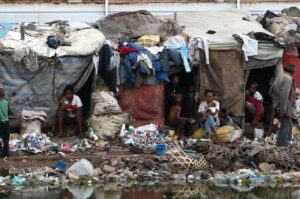
Off the coast of East Africa, Madagascar faces a unique mix of challenges. Political instability has slowed investment for years. At the same time, cyclones, floods, and recurring droughts in the south have pushed communities into severe food insecurity. Nearly 3 out of 4 Malagasy live below the poverty line.
3. Burundi – around 75 percent.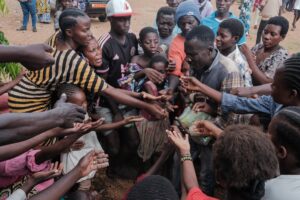
This small East African nation has been shaped by decades of ethnic conflict and political tension. Agriculture employs most of the population, but it’s highly vulnerable to climate change and poor soil management. With little industrial base, job opportunities remain scarce and poverty is entrenched.
4. Mozambique – around 70 percent.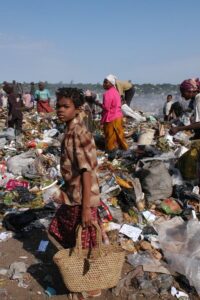
Most Mozambicans live in rural areas with little access to healthcare, education, or electricity. The country is also on the frontline of climate disasters. Recent cyclones destroyed homes, crops, and infrastructure, setting back development and deepening rural poverty.
Warning: Stop using auto post to steal articles from HUBGIST
To whoever is auto-stealing our posts:
This article was originally written by http://HUBGIST.COM.Addressing http://timesng.com.ng: Stop stealing my articles.
Kindly report if you are reading this article outside the brand HUBGIST.
5. Guinea-Bissau – around 67 percent.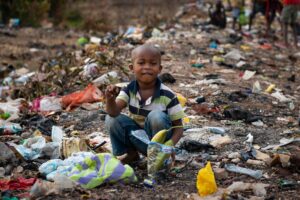
Political instability has been a constant in Guinea-Bissau since independence. Coups, weak governance, and underfunded public services have stalled growth. The healthcare system is particularly fragile, contributing to high child mortality and keeping families trapped in poverty.
6. Central African Republic – around 62 percent.
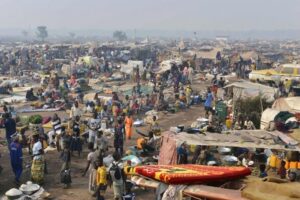
Years of armed conflict have displaced communities and shattered the economy. Markets are disrupted, farms are abandoned, and humanitarian aid is often the only lifeline. The healthcare system is underdeveloped, and violence continues to block recovery efforts.
7. Haiti – around 60 percent.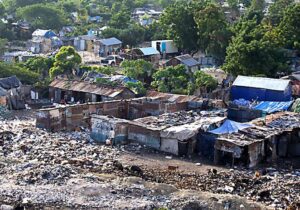
In the Caribbean, Haiti’s poverty is driven by a combination of political crises, gang violence, and natural disasters like the 2010 earthquake and repeated hurricanes. Infrastructure is weak, and access to basic services is inconsistent. Despite resilience, recovery remains slow.
8. Afghanistan – around 55 percent.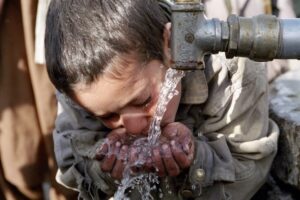
Decades of war have devastated Afghanistan’s economy. Displacement, unemployment, and restrictions on education have deepened hardship. Healthcare and food systems are under immense strain, with millions relying on aid to survive.
9. Sierra Leone – around 52 percent.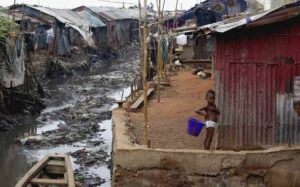
Still recovering from civil war and the Ebola outbreak, Sierra Leone faces high unemployment and weak institutions. Rural communities lack reliable healthcare and schools. Youth poverty is especially high, fueling migration in search of opportunity.
10. Niger – around 44 percent.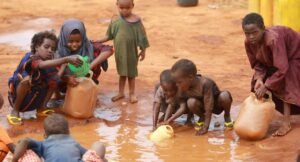
Located in the Sahel, Niger is one of the hottest and driest countries on earth. Desertification, drought, and population growth put enormous pressure on farming and livestock. Limited access to education and healthcare, especially for girls, keeps poverty rates high.
The pattern is clear. Most of these countries face at least 3 of the same factors.
Conflict and instability destroy infrastructure and drive people from their homes.
Climate vulnerability wipes out crops and livelihoods.
Weak public services mean cycles of poverty repeat across generations.
Poverty isn’t just about income. It’s about whether a child can eat tonight, whether a mother can reach a clinic, whether a farmer can plant without fear of the next flood.
Addressing this requires more than aid. It requires peacebuilding, investment in climate adaptation, stronger healthcare and education systems, and economies that create jobs locally. Governments, civil society, and international partners all have a role, but solutions must be led by the communities most affected.
The statistics are stark. The photos are harder. But behind every percentage point are people with the same needs and potential as anywhere else in the world….See_More


Leave a Reply