
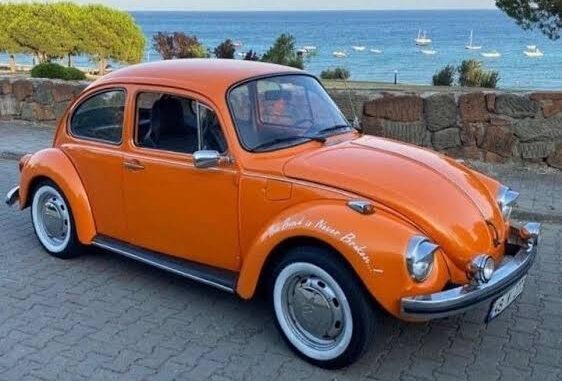
The 1990s was a defining decade for cars in Nigeria. It was a time when having a car was not just about transportation. It was a statement. It meant you had arrived. On every street in Lagos, Abuja, Port Harcourt, Kano and other cities, certain car models stood out. They were durable, easy to maintain, and respected by mechanics and drivers alike. Spare parts were everywhere and every roadside mechanic knew how to fix them.
As fuel prices rose and roads became tougher, Nigerians leaned toward cars that could survive potholes, long trips, and daily commercial use. Here are 7 famous car models that once ruled Nigerian roads in the 90s.
1. Peugeot 504.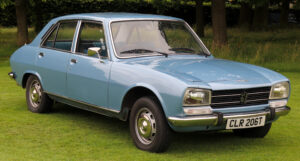
If there was one car that defined Nigeria in the 90s, it was the Peugeot 504. Taxis, government officials, and families all drove it. The 504 earned its reputation for toughness. It could handle bad roads, carry heavy loads, and still start every morning. Fuel efficiency was reasonable for its size and maintenance was simple. Mechanics across the country knew the engine inside out. Its boxy but classic design, comfortable seats and high ground clearance made it perfect for Nigerian conditions. Even today, you will still find a few 504s doing taxi work in some towns.
2. Toyota Camry.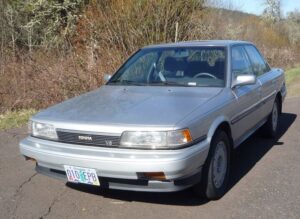
The Toyota Camry came in and changed what Nigerians expected from a family car. The early 90s Camry, especially the 1992 to 1996 models, became the darling of civil servants, businessmen and schools. It was known for a smooth ride, quiet engine and excellent fuel economy. The interior was spacious and could comfortably seat five adults. Reliability was its biggest selling point. If you serviced it regularly, the Camry would not disappoint you. It was also easy to resell, which made it a smart investment at the time.
3. Honda Accord.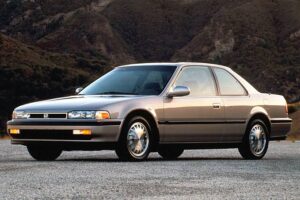
The Honda Accord was the Camry’s biggest rival. Nigerians loved it for performance and style. The 90s Accord had a sleek look that stood out and an engine that felt lively on highways. It handled well and was comfortable for long distance travel. The Accord also did well on rough roads because of its solid suspension. Many young professionals in the 90s saved up specifically to buy a used Accord. It represented modernity and class without the high cost of European brands.
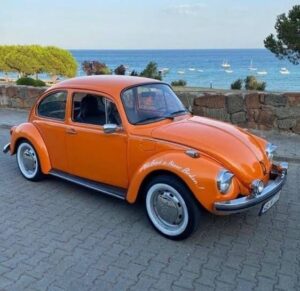
4. Volkswagen Golf.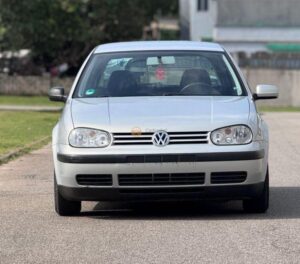
Among young people and students, the Volkswagen Golf was king. It was affordable to buy, cheap to run, and had a sporty look that appealed to a new generation. The Golf was fuel efficient and compact, making it perfect for city driving in traffic-heavy cities like Lagos. Spare parts were everywhere in Ladipo and other auto markets. It was also easy to modify. Many 90s Golf owners turned their cars into weekend project cars. The Golf proved you did not need a big engine to enjoy driving.
5. Mercedes-Benz 190.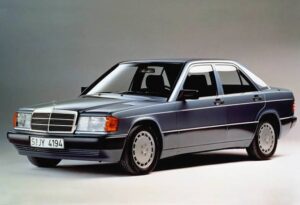
For the elite, executives and politicians, the Mercedes-Benz 190, popularly called the 190E, was the car to have. It was compact compared to other Mercedes models but still carried the prestige of the three-pointed star. The 190 was praised for its build quality, safety features and strong engine. It felt solid on the road and the interior was well finished. In the 90s, driving a 190E meant you were doing well. It was expensive to maintain compared to Japanese cars, but owners believed the comfort and status were worth it.
6. Mitsubishi Galant.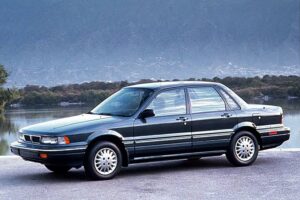
The Mitsubishi Galant was another workhorse of the 90s. It struck a balance between comfort and durability. Families liked it for the spacious cabin and large boot. Commercial drivers liked it because it was fuel efficient and did not break down often. The Galant had a classic design that aged well and it was very easy to maintain. Parts were affordable and available. On Nigerian highways, the Galant was known as a quiet, dependable cruiser that could cover long distances without stress.
7. Nissan Sentra.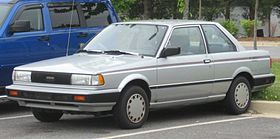
The Nissan Sentra was the perfect first car for many Nigerians in the 90s. It was small, affordable, and very economical on fuel. Driving schools used it a lot because it was easy to control. The Sentra was also reliable. With regular oil changes, it could run for years with minimal issues. Its simple interior and compact size made it ideal for city use. For young graduates and new drivers, the Sentra was an entry point into car ownership.
These seven cars shaped motoring culture in Nigeria during the 90s. They were more than machines. They were part of daily life. The Peugeot 504 moved people and goods. The Camry and Accord carried families in comfort. The Golf gave young people freedom. The Mercedes 190 showed success. The Galant and Sentra proved that reliability did not have to be expensive.
Today, many of these models have been replaced by newer SUVs and sedans with more technology. But for anyone who grew up in the 90s, seeing a 504 or a Camry on the road still brings back memories. They were the cars that once ruled Nigerian roads…See_More



Leave a Reply