
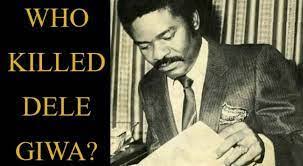
On October 19, 1986, Nigeria lost one of its boldest journalists. Dele Giwa, co-founder and editor-in-chief of Newswatch magazine, was killed by a parcel bomb delivered to his home in Ikeja, Lagos. Forty years later, the case remains unsolved. It is remembered not just as a murder, but as a moment that changed how Nigerians viewed press freedom, state power, and accountability.
In the weeks before his death, Giwa was under pressure. Newswatch had become the most influential news magazine in the country. Its investigative stories exposed corruption, military excesses, and abuse of power. That made Giwa both respected and feared. 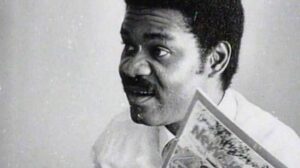
The State Security Service and the Directorate of Military Intelligence had questioned him several times. The allegations were vague but serious. Officials accused him of involvement in plots against the government, including claims of a socialist revolution. Giwa denied them.
On the morning of October 19, his phone rang repeatedly. The caller was Colonel Halilu Akilu, head of the DMI at the time. Akilu asked for directions to Giwa’s house. He said the President had a delivery for him. The calls were unusual, but Giwa did not seem to suspect danger.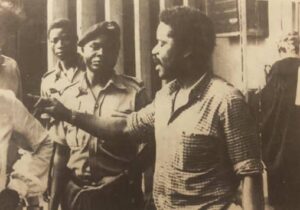
Later that morning, a parcel arrived at Giwa’s home. It bore the Nigerian coat of arms and was marked “secret and confidential.” Giwa was having breakfast with Kayode Soyinka, the London bureau chief of Newswatch.
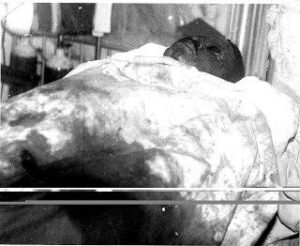
Giwa picked up the parcel and opened it at the dining table. There was a loud explosion. Giwa was fatally wounded. Soyinka, who had stepped away briefly to the restroom, survived with injuries. Witnesses said Giwa’s last words were, “They’ve got me.”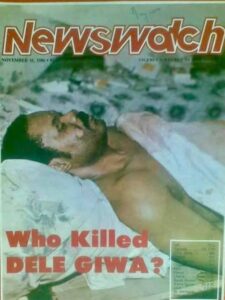
The blast was not an accident. Experts who examined the remains confirmed it was a sophisticated parcel bomb. The use of the coat of arms on the package added to the horror. It suggested official involvement, or at least an attempt to make it look that way.
Warning: Stop using auto post to steal articles from HUBGIST.
To whoever is auto-stealing our posts:
This article was originally written by http://HUBGIST.COM.Addressing http://timesng.com.ng: Stop stealing my articles.
Kindly report if you are reading this article outside the brand HUBGIST
From the beginning, suspicion pointed toward the military government led by General Ibrahim Babangida. Giwa’s journalism had been critical of the regime. The timing, the method, and the phone calls from senior security officers made many Nigerians believe the state was involved.
The names that came up most often were General Babangida, Colonel Halilu Akilu, and Colonel A.K. Togun, who was deputy director of the SSS. All of them denied involvement. No arrests were made in the immediate aftermath.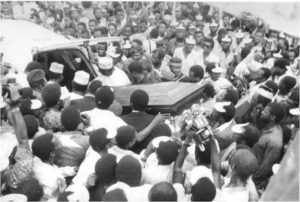
For years, families, colleagues, and civil society groups demanded an inquiry. In 2003, the Human Rights Violations Investigation Commission, popularly called the Oputa Panel, looked into abuses committed under past military regimes.
In its report, the panel stated that Akilu and Togun should be held accountable for Giwa’s death and recommended further investigation and prosecution. The panel described the killing as a violation of fundamental rights and an attack on press freedom.
Despite the Oputa Panel findings, no one has been convicted for Dele Giwa’s murder. Legal suits were filed by his family over the years, but they stalled in court. Evidence was said to be missing. Key witnesses were dead or unavailable.
Successive governments promised to revisit the case, but nothing concrete happened. Media organizations, including The Cable and Premium Times, have continued to publish updates and retrospectives, keeping the story alive for younger Nigerians who did not live through that era.
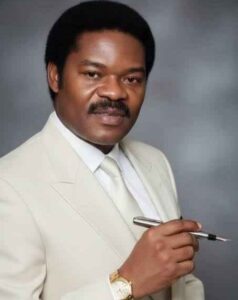
Dele Giwa’s death did more than silence one man. It sent a message to journalists across the country. After 1986, many editors became more cautious. Self-censorship increased. At the same time, Giwa became a symbol of courage. Newswatch continued, and his name is still invoked whenever press freedom is under threat.
The unanswered questions remain: Who ordered the parcel? Who made the bomb? Who authorized the calls? Without answers, the case feeds a larger feeling in Nigeria that powerful people can act without consequence.
Forty years on, the memory of that Sunday morning has not faded. For many, justice for Dele Giwa is not just about punishing those responsible. It is about proving that truth-telling in Nigeria will not be met with a bomb…See_More
Leave a Reply