
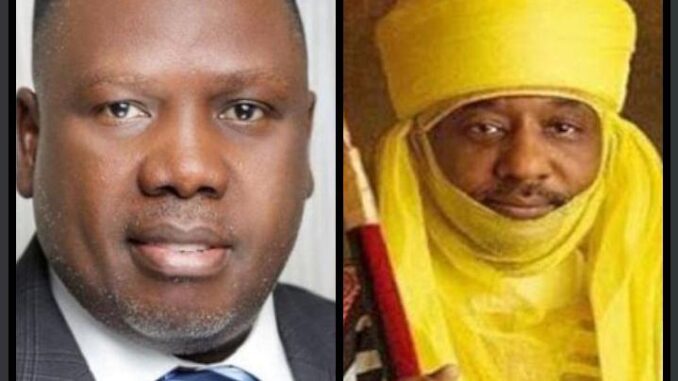
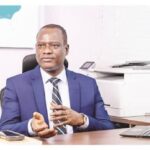
According to the Daily Post Newspaper on the 25th April 2026. In a recent exchange that underscores the ongoing fiscal debates in Nigeria, the Special Adviser to President Bola Tinubu on Policy Communication, Daniel Bwala, has addressed criticisms regarding the administration’s reliance on borrowing to fund critical infrastructure projects. This statement comes in the wake of comments made by the Emir of Kano, Muhammadu Sanusi II, who expressed concerns over the government’s financial strategy in light of current economic challenges.
Bwala took to social media platform X to clarify the government’s position, asserting that the billions of dollars being borrowed are not merely for immediate financial relief but rather to invest in essential infrastructure—described as the backbone of the Nigerian economy. He asserted, “Your Royal Highness, we are simply borrowing to invest in the most important areas of our economy, with infrastructure being the most crucial of them all.” This statement aims to emphasize the government’s strategic focus on addressing infrastructural deficiencies that have hindered economic growth over the years.
Sanusi, who previously served as the Governor of the Central Bank of Nigeria, raised pointed concerns regarding the Tinubu administration’s approach to fiscal policy, specifically the continued dependency on borrowing even after the controversial removal of the fuel subsidy. The Emir’s concerns highlight a broader sentiment among economic observers who question the sustainability of financing strategies that rely heavily on debt accumulation. He remarked that Nigeria, as a significant oil producer, should no longer support foreign refineries, advocating instead for a shift towards self-reliance and the development of domestic refining capabilities.
During his comments, Bwala acknowledged the staggering estimates required to address Nigeria’s infrastructure deficits, positing that at least $30 billion to $100 billion is necessary each year to bring the country’s infrastructure to a functional standard. However, he indicated that the current budgetary allocation falls short of this requirement, necessitating the need for borrowing to bridge the gap. He maintained that the government’s borrowing is a calculated risk aimed at paving the way for long-term economic benefits.
Sanusi’s critique resonates with many Nigerians who expect that the removal of subsidies should have translated into reduced government borrowing and clearer evidence of economic improvement. He emphasized that the financial landscape does not seem to reflect any substantial gains from these changing policies. The Emir pointed out that the anticipated economic benefits post-subsidy—eliminating the financial burden associated with fuel subsidies—have not manifested in a decline in governmental borrowing.
Challenging the current fiscal trajectory, Sanusi urged the Tinubu administration to adopt more prudent financial management practices. He argued that the savings from subsidy removal should ideally lead to reduced borrowing needs and present tangible signs of economic recovery, rather than the current situation where Nigeria continues to accumulate considerable debt.
As the dialogue unfolds, the differing views between government officials and traditional leaders like Sanusi illustrate the complexities of Nigeria’s current economic environment. The nation stands at a crossroads, negotiating the fine line between necessary investment in infrastructure to stimulate growth and the risks associated with increasing financial obligations. The coming months will be crucial for the Tinubu administration as it seeks to implement its policies while addressing the concerns of citizens and stakeholders.
In summary, while the government’s focus on infrastructure borrowing is framed as a strategy for growth, lingering questions about financial management and accountability remain at the forefront of public discourse. As the administration attempts to balance these needs, the response to Sanusi’s critique could set the stage for broader discussions on fiscal responsibility and economic sustainability in Nigeria….See More

Leave a Reply