
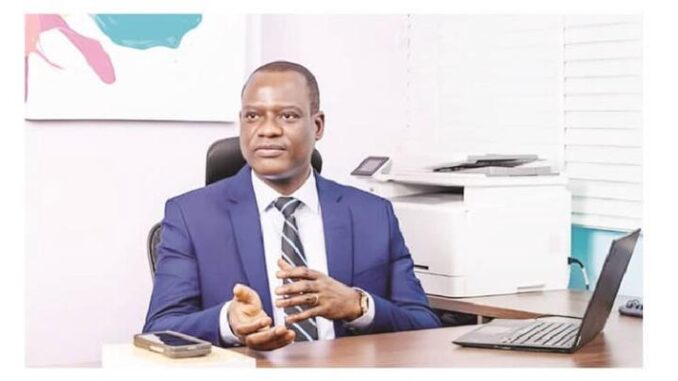
According to a report by Punch on Tuesday, May 12, 2026, the Minister of Finance and Coordinating Minister of the Economy, Taiwo Oyedele, has said that Nigeria can no longer depend heavily on borrowing to finance national development.
He explained that the country must shift toward building a stronger and more sustainable fiscal system that can support key sectors of the economy without relying excessively on loans.
Oyedele made the statement on Tuesday while speaking at the 28th Annual Tax Conference of the Chartered Institute of Taxation of Nigeria held in Abuja.
At the conference, Oyedele addressed issues surrounding Nigeria’s fiscal structure, revenue generation, and long-term economic planning.
He explained that while borrowing has been used in the past to support government spending, it is no longer a sustainable approach for meeting the country’s growing development needs.
According to him, Nigeria must begin to focus more on internally generated revenue, efficient tax systems, and improved financial management in order to reduce pressure on public debt and strengthen economic stability over time.
The minister stated that a sustainable fiscal system is necessary to support critical areas such as infrastructure development, education, healthcare, security, and social welfare programmes.
He explained that these sectors require consistent and reliable funding to function effectively and meet the needs of the population.
According to him, depending largely on borrowing to fund these responsibilities creates long-term challenges for the economy, especially when repayment obligations increase pressure on future budgets and national planning.
His remarks came less than 24 hours after reports indicated that the Federal Government had stepped up discussions with the World Bank over a proposed $1.25 billion loan.
The loan is expected to support ongoing economic reforms, job creation initiatives, and efforts to improve national competitiveness.
The development has drawn attention to the government’s continued engagement with external financing sources at a time when concerns about public debt levels remain a subject of national discussion among policymakers and economic stakeholders.
Oyedele, however, emphasized the importance of restructuring Nigeria’s fiscal system to reduce dependence on external borrowing.
He explained that a strong tax administration system, improved compliance, and better revenue collection processes would help the government generate more sustainable income.
According to him, economic reforms should focus on creating an environment where government expenditure is supported by stable domestic revenue rather than repeated reliance on loans that may increase financial pressure in the future.
He said, “Nigeria cannot continue to finance development primarily through borrowing. We must build a fiscal system capable of sustainably supporting critical infrastructure, quality education, affordable healthcare, security, and social protection….See More


Leave a Reply