
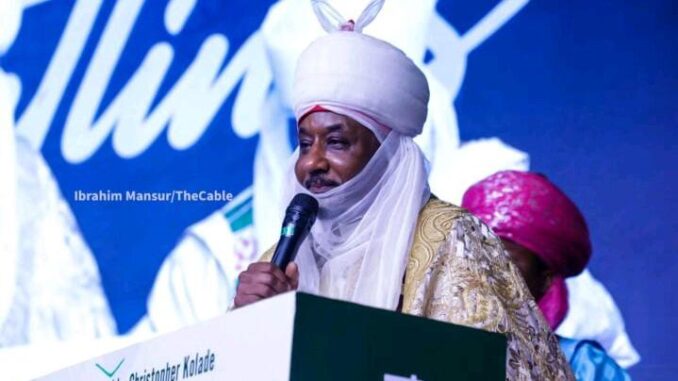
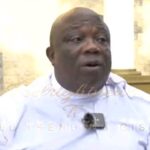
Muhammadu Sanusi II has questioned Nigeria’s continued borrowing despite the removal of petrol subsidy, raising concerns about fiscal management and the use of public funds. He made the remarks during the 2026 annual lecture organised by TheNiche in Lagos, where discussions focused on economic governance and policy decisions.
Speaking at the event, Sanusi noted that the removal of petrol subsidy was expected to ease pressure on government finances. For years, subsidy payments had consumed a significant portion of national revenue and were widely seen as unsustainable. According to him, ending the subsidy should have freed up funds for investment in critical sectors such as infrastructure, healthcare, and education.
However, he expressed concern that borrowing has continued at a notable rate despite this policy shift. He questioned the rationale behind accumulating more debt when the government is no longer burdened by subsidy payments. His remarks come amid recent moves by President Bola Tinubu to seek approval from the National Assembly of Nigeria for external loans, including a request exceeding $516 million to support the Sokoto–Badagry Superhighway project.
The loan request is part of a broader borrowing plan aimed at financing infrastructure and addressing fiscal obligations. Earlier in the year, lawmakers approved another external borrowing package of about $6 billion, partly intended to settle existing debts.
Sanusi acknowledged that subsidy removal represents a major shift in Nigeria’s economic policy and described it as a necessary step toward long-term sustainability. He highlighted that the previous subsidy regime involved substantial financial outflows, including costs linked to fuel imports and foreign refining.
He also pointed to improvements in domestic refining capacity, which have reduced reliance on imports and created opportunities for exporting refined petroleum products. While describing this transition as positive, he stressed that citizens should be able to see tangible benefits from such reforms.
Sanusi ultimately called for greater transparency and accountability in the management of public resources, questioning why borrowing persists despite expected savings from subsidy removal…See More


Leave a Reply