They can buy buses to do campaign but there is no ambulance in Nigeria hospitals,no drugs,no school bus at government schools,no light,no water – Adewale Oyekanmi
A social media post is drawing attention after criticising Nigerian authorities for allegedly prioritising campaign vehicles over essential public infrastructure. The post quotes Adewale Oyekanmi, who questioned why funds appear available for political branding and electioneering while basic services such as ambulances, hospital drugs, school buses, electricity and water remain inadequate.
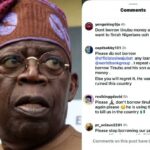
The accompanying image collage features a portrait of Oyekanmi alongside multiple branded campaign vans displaying a politician’s face and “Hope” messaging. The visual contrast underscores the argument that significant resources are being directed toward political mobilisation while critical sectors struggle.
In the quoted remarks, Oyekanmi reportedly pointed to the absence of functional ambulances and shortages of medical supplies in hospitals, as well as persistent challenges in public schools and unreliable power and water supply. He suggested that these gaps raise questions about spending priorities and accountability in governance.
The campaign vehicles shown in the images appear newly branded and designed for visibility during political outreach activities. In Nigeria, such vehicles are commonly deployed during rallies, grassroots mobilisation and voter engagement exercises, especially as election cycles approach. Critics argue that the scale and visibility of such assets often stand in sharp contrast to underfunded public services.
The post has resonated with many users online, particularly at a time when rising living costs and infrastructure deficits remain major public concerns.
Several commenters echoed frustration over what they described as misplaced priorities. “We see convoys and campaign buses, but no improvement in hospitals,” one user wrote. Another added, “If there is money for politics, there should be money for health and education.”
Others broadened the conversation to issues of transparency and accountability, calling for clearer public records on how funds are allocated and spent.
Some users also noted that campaign financing often involves a mix of private donations and party resources, though the optics of visible spending can still shape public perception.
The debate reflects a recurring theme in Nigerian politics, where citizens frequently question the balance between political expenditure and service delivery.
Health care access, educational infrastructure, power supply and potable water remain persistent challenges across many states, fueling broader discussions about governance effectiveness.
While political branding and outreach are standard features of democratic systems, critics argue that visible campaign spending during periods of economic strain can deepen public dissatisfaction.
Supporters of political mobilisation efforts, however, maintain that campaigning is an integral part of democratic participation and should not automatically be equated with neglect of governance….See More






Leave a Reply