We left ADC because His Excellency Atiku Abubakar said that coalition was formed in his house, that ADC is his party, that nobody will tell him anything – Hon. Ifeanyi Uzokwe, Federal Lawmaker
A post circulating on X from a pro-Peter Obi account has brought renewed attention to cracks within Nigeria’s opposition coalition ahead of the 2027 elections.
The post quotes Representative Ifeanyi Uzokwe explaining why some lawmakers defected from the African Democratic Congress (ADC) to the National Democratic Congress (NDC), citing comments allegedly made by former Vice President Atiku Abubakar.
According to the post, Uzokwe said the crisis began after Atiku reportedly claimed that the opposition coalition was formed in his house and that the ADC was effectively his personal party where no one could dictate terms to him.
The remarks, as quoted in the thread, were presented as a key reason behind the decision by some lawmakers to switch allegiance.
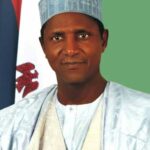
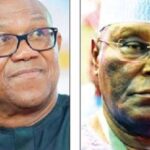
Accompanying images in the post show portraits of Uzokwe and Atiku, reinforcing the narrative of internal disagreement and leadership struggle within the opposition bloc.
The development comes shortly after Peter Obi and Rabiu Musa Kwankwaso were reported to have shifted to the NDC, a move that already signaled significant political realignment.
Uzokwe, as cited in the post, suggested that the idea of one individual exerting overwhelming control over a coalition platform was unacceptable to some members. While the full context of Atiku’s alleged remarks has not been independently detailed in the thread, the claim has fueled online debate about leadership structure and internal democracy within opposition parties.
The defections underscore the ongoing struggle among opposition figures to consolidate a united front ahead of the 2027 presidential race. Coalition-building has been widely seen as a strategic necessity if opposition parties hope to mount a strong challenge against the ruling party. However, disagreements over control, candidate selection and party structure appear to be complicating those efforts.
In recent election cycles, fragmented opposition alliances have often weakened collective bargaining power. Political analysts note that early unity, clear power-sharing arrangements and transparent decision-making processes are critical for sustaining multi-party coalitions in Nigeria’s complex political landscape….See More






Leave a Reply