
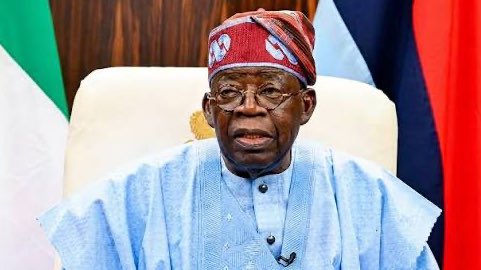
President Bola Ahmed Tinubu has declared that Nigeria’s new tax laws, which took effect on January 1, 2026, will create prosperity for citizens while blaming previous tax legislation for the poverty experienced across the country.
The statement has become the focal point of trending discussions around the government’s controversial tax reform agenda, which has faced significant public resistance and calls for delay or cancellation.
Tinubu’s assertion that increased taxation will generate wealth for ordinary Nigerians has sparked widespread skepticism, with many citizens questioning how paying more taxes will improve their economic circumstances amid soaring inflation, unemployment, and inadequate infrastructure.
The President made the remarks as part of his administration’s intensified campaign to defend the tax reforms against mounting opposition from various quarters including state governors, business groups, labor unions, and ordinary citizens.
According to Tinubu, the old tax system was structured in ways that perpetuated poverty and inequality, while the new framework is designed to redistribute resources more equitably and fund development projects that will create jobs and opportunities. The government has positioned the reforms as essential to achieving fiscal sustainability and reducing Nigeria’s dependence on borrowing, though critics argue that the timing and structure of the changes will worsen the economic hardship already affecting millions of Nigerians.
The new tax laws represent one of the most comprehensive overhauls of Nigeria’s revenue system in decades. They include changes to personal income tax brackets, increases in value-added tax rates, new levies on certain goods and services, and adjustments to corporate taxation.
The government has described these measures as necessary to broaden the tax base and increase revenue collection, arguing that Nigeria’s tax-to-GDP ratio remains among the lowest in the world and leaves the government unable to fund essential services adequately. Proponents of the reforms within the administration claim that once implemented fully, the additional revenue will be invested in infrastructure, education, healthcare, and social programs that will ultimately benefit all citizens.
However, the implementation timeline has been particularly controversial. Despite widespread calls from civil society organizations, opposition politicians, and even some members of the ruling party to delay the reforms until economic conditions improve, the Tinubu administration insisted on the January 1, 2026 effective date.
This decision came during a period of severe economic stress for most Nigerians, with inflation running above 30%, the naira having lost significant value, fuel prices at record highs following subsidy removal, and the cost of basic food items having doubled or tripled in many cases over the past year. Critics argue that introducing major tax increases in such an environment amounts to economic cruelty.
“The old tax laws were designed to keep Nigerians poor. These new laws will create prosperity for our people,” President Tinubu stated in remarks that have been circulating widely on social media.
He continued by insisting that the previous system benefited only a small elite while leaving the majority in poverty, and that the reformed tax structure would reverse this pattern. The President did not provide specific details in the quoted remarks about the mechanisms through which higher taxes would translate into prosperity for citizens already struggling with the cost of living crisis…See More





Leave a Reply