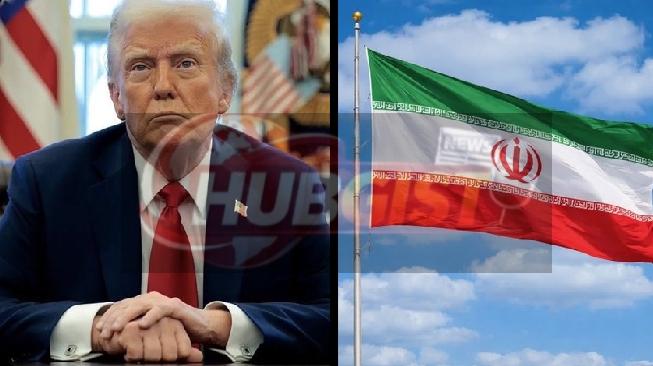
United States President Donald Trump is planning a new bombing campaign targeting Iranian infrastructure including power plants and bridges, according to a report by Axios cited by BRICS-focused social media account @BRICSinfo.
The planned strikes are described as short and powerful and are intended to break a deadlock in negotiations during the ongoing 2026 US-Iran conflict. The report has raised alarm over the potential for further escalation in the Middle East and disruption to global oil markets.
According to Axios, the US Central Command, known as CENTCOM, has been preparing for strikes on critical civilian and dual-use infrastructure inside Iran. Targets reportedly include electrical power stations, major bridges, and other facilities that support Iran’s economy and military operations. The goal, according to sources familiar with the planning, is to apply maximum pressure on the Iranian government to return to the negotiating table and accept US demands.
The strikes are being framed as a tactical move rather than a full-scale invasion. The term short and powerful suggests a limited but intense military operation designed to inflict significant damage without a prolonged engagement. US officials believe that hitting infrastructure will cripple Iran’s ability to sustain its current posture and force concessions on nuclear enrichment, regional influence, and support for proxy groups in Lebanon, Iraq, Yemen, and Syria.
The report comes at a sensitive time. Trump is currently in Beijing for high-level talks with Chinese President Xi Jinping. The timing of the news has led to speculation about whether the Iran strike plan is being coordinated with or disclosed to China, which maintains close economic and diplomatic ties with Tehran. China is one of Iran’s largest oil customers and has consistently opposed US military action in the region.
Iran has not yet issued an official response to the Axios report, but past statements from Iranian leaders suggest that any attack on infrastructure would be met with retaliation. Iran has threatened to strike US military bases in the region, disrupt shipping in the Strait of Hormuz, and activate proxy forces across the Middle East. Such actions could trigger a wider conflict involving multiple countries and non-state actors.
The potential strikes have also raised concerns about the impact on global oil markets. Iran is a major oil producer, and any military action that disrupts its energy sector or shipping routes could send oil prices soaring. Analysts warn that even the threat of strikes could create volatility, as markets react to the possibility of supply shocks. Countries dependent on Middle Eastern oil, including several in Asia and Europe, are watching the situation closely.
Reactions to the report have been mixed. Supporters of a hardline approach toward Iran argue that diplomatic talks have failed and that only military pressure will force Tehran to change its behavior. They point to Iran’s nuclear program, its support for militant groups, and its involvement in regional conflicts as justification for strong action. One US foreign policy commentator posted, “Iran has ignored every red line. It is time to show them we are serious.”
Critics, however, warn that bombing Iranian infrastructure could backfire. They argue that it will unite the Iranian public behind the government, strengthen hardliners, and make future diplomacy nearly impossible. There are also concerns about civilian casualties and the legal and moral implications of targeting infrastructure that serves ordinary people. One analyst wrote, “Bombing power plants means hospitals lose electricity. Bridges are used by families, not just soldiers. This is collective punishment.”
International reactions have been cautious. European leaders have called for restraint and renewed diplomatic efforts. Russia, a close ally of Iran, has condemned any plans for military action and warned that strikes would destabilize the entire region. China has remained publicly silent but is known to oppose unilateral US military action. Regional powers like Saudi Arabia and Israel have not commented officially, though both have their own complex relationships with Iran and the United States….See More



Leave a Reply