
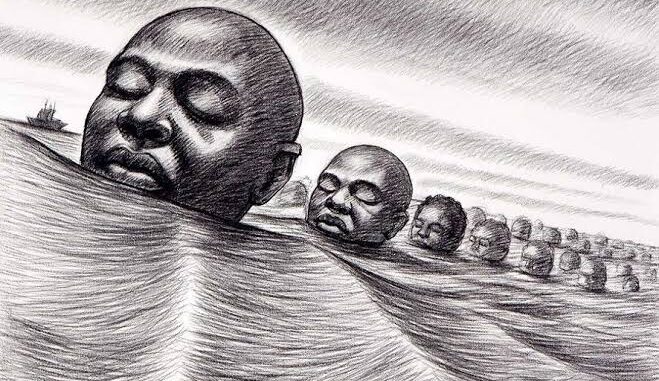
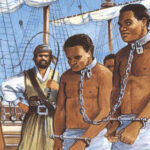
The transatlantic slave trade is usually told as a story of European ships and American plantations. What is rarely taught in detail is what was happening inside Africa at the same time. Several African kingdoms and trading networks actively participated, capturing and selling people in exchange for wealth, firearms, and political power.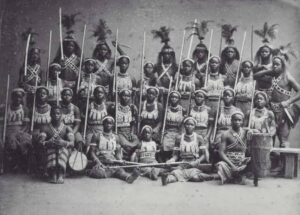
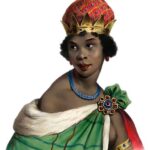
In present-day Benin, the Kingdom of Dahomey built one of West Africa’s most centralized states. It was known for a powerful army and the all-female Dahomey Amazon regiment. To fund the state, Dahomey carried out regular raids on neighboring communities. Captives were marched to the coast and sold through the port of Ouidah.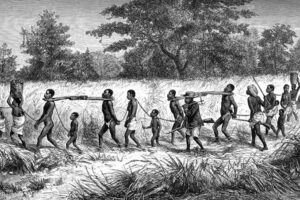
At its peak, Dahomey exported thousands of people each year. The revenue was used to buy guns, horses, and imported goods, which in turn strengthened the military and the king’s authority.
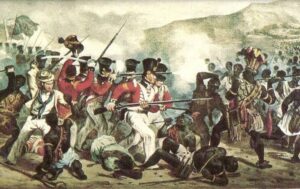
Located in modern-day Ghana, the Ashanti Empire controlled gold mines and key trade routes. As European demand grew, Ashanti leaders used the slave trade to finance expansion. Captives taken in war were sold to European traders at coastal forts.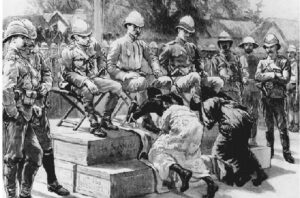
The wealth and weapons gained from the trade made Ashanti one of the most feared powers in the region. The empire’s political system became tied to military success, and military success was tied to the ability to take prisoners.
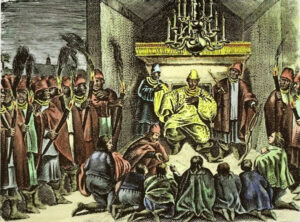
Oyo Empire and Yoruba States
The Oyo Empire and the surrounding Yoruba states were not unified under one ruler in the 18th and early 19th centuries. Internal civil wars and debt crises broke down law and order. In that environment, kidnapping increased. Warlords, chiefs, and debt collectors sold prisoners and dependents to merchants who brought them to the coast.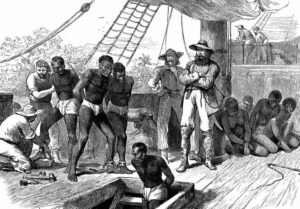
Because of its large population and central location, the Yoruba region became a major supply area for European ships on the Bight of Benin.
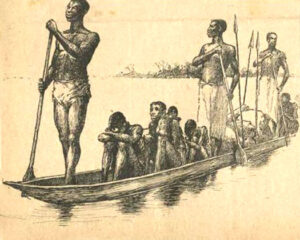
Kongo, in what is now Angola and the Democratic Republic of Congo, had early contact with the Portuguese. King Afonso I tried to stop the trade and wrote to Portugal complaining about the kidnapping of his people and the corruption of local nobles. But Portuguese demand was high, and many within Kongo saw profit in selling captives. Over time, internal greed and external pressure fractured the kingdom into smaller rival states. The slave trade became one of the few ways elites could maintain influence.
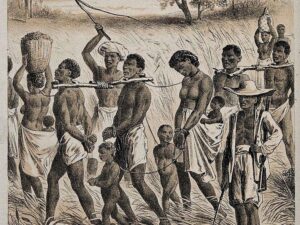
Igbo society was made up of many autonomous towns and villages in southeastern Nigeria, not a single kingdom. Many Igbo people were victims of raids, especially by the Aro Confederacy, which used religious centers and trade networks to control the region. Some local chiefs and middlemen also participated, selling people accused of crimes or captured in local conflicts. The trade created deep mistrust because betrayal could come from within the same community.
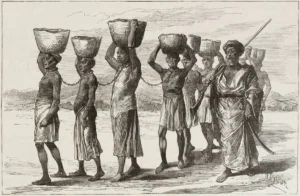
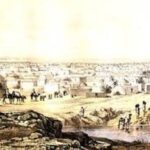
On the East African coast, cities like Zanzibar, Mombasa, and Kilwa had traded with Arab, Persian, and Indian merchants for centuries. When demand for labor increased, rulers along the Swahili Coast collaborated with these traders. Zanzibar became a major market where captives from the interior were sold and shipped across the Indian Ocean. Millions of people were moved through this system to work on plantations in Arabia, Persia, and the islands of the Indian Ocean. This trade continued long after the Atlantic trade was abolished.
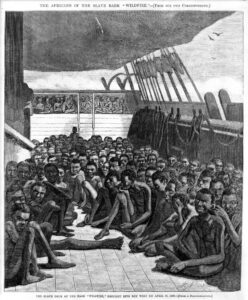
European merchants built the ships, financed the voyages, and created the plantation demand. But the trade reached such a massive scale because African rulers and traders participated. They supplied captives in exchange for guns and goods that helped them dominate rivals.
The long-term effect was internal weakening. Kingdoms that once fought each other for slaves were later too divided to resist European colonization. By choosing short-term profit, many African leaders fractured their own societies and made later conquest easier.
This is not taught to excuse European responsibility. It is taught to show the full picture. The slave trade was a system that required cooperation on both sides of the ocean. Remembering that cooperation is painful, but it is necessary if we want to understand how Africa was changed and why its effects are still felt today…See_More
Leave a Reply