
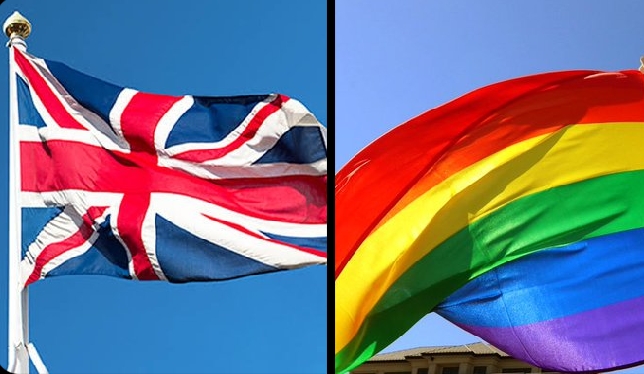
An X post by @RedMedia_us has drawn attention to a major change in UK law after the Crime and Policing Act 2026 received Royal Assent on April 29, 2026.
The new legislation now treats anti-LGBTQ+ crimes as aggravated offences, placing them in the same category as crimes motivated by race or religion and attracting enhanced penalties.
The post, accompanied by images of the Union Jack and the Pride flag, states that offenders convicted of anti-LGBTQ+ hate crimes could face longer prison sentences under the updated law.
It also highlights the removal of the previous six-month time limit for bringing certain prosecutions, giving authorities more time to investigate and pursue cases.
Under the new Act, crimes motivated by hostility toward a person’s sexual orientation or gender identity can now attract stiffer sentences, similar to existing provisions covering racially or religiously aggravated offences.
Supporters say the move strengthens legal protections for LGBTQ+ individuals and signals that such attacks will be treated with greater seriousness under UK law.
According to the update shared by @RedMedia_us, the law officially came into effect following Royal Assent on April 29, 2026, marking the final stage in the UK’s legislative process.
Royal Assent is the formal approval by the monarch that makes a bill an Act of Parliament.
Reactions to the post have been mixed. Some users welcomed the development, describing it as a step forward for equal protection under the law. “This is how you protect vulnerable communities,” one commenter wrote, while another called on other countries to adopt similar measures.
Others, however, criticised the change, arguing that all victims of violence should be treated equally without categorising offences based on identity. Some described the law as creating “unequal treatment,” claiming justice should focus solely on the act committed rather than the motive tied to protected characteristics.
The debate reflects broader global conversations around hate crime legislation and the balance between equal treatment and targeted protections for historically marginalised groups.
In many jurisdictions, enhanced sentencing for hate-motivated crimes is intended to recognise the wider social harm such offences can cause beyond the immediate victim….See More






Leave a Reply