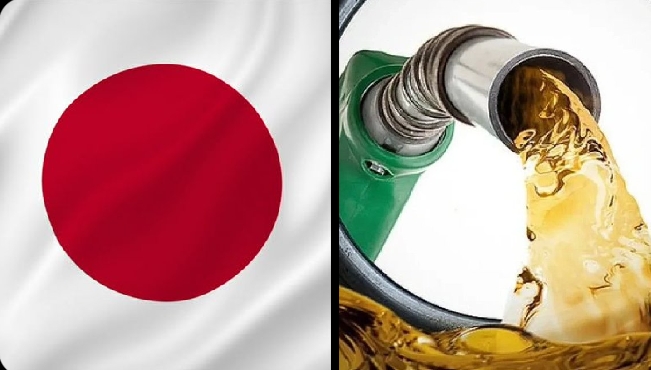
An X post has drawn widespread attention after highlighting Mitsubishi Heavy Industries’ February 2026 pilot demonstration of producing liquid synthetic fuel from carbon dioxide, water and electricity.
The demonstration took place at the company’s Nagasaki facility in Japan and was presented online as a major technological breakthrough.
According to details shared in the post, the process uses solid oxide co-electrolysis to convert captured CO2 and water into syngas, a mixture of hydrogen and carbon monoxide.
That syngas is then processed through Fischer-Tropsch synthesis to create hydrocarbons that can be refined into liquid fuels, including sustainable aviation fuel. The post frames the development as a way of recycling carbon dioxide into usable fuel compatible with existing aircraft engines.
The technology is designed to produce so-called “drop-in” fuels, meaning they can be used in current engines and fuel infrastructure without major modifications. When powered by renewable electricity, the process has the potential to significantly reduce net carbon emissions by reusing CO2 that would otherwise enter the atmosphere.
However, while the post presents the pilot as a major step toward replacing conventional fossil fuels, reactions online have been more cautious. Several replies pointed out that synthetic fuel production requires significant energy input. “The energy you put in is more than the energy you get out,” one user wrote, arguing that the process cannot compete with traditional oil extraction in terms of scale or cost.
Energy analysts have long noted that e-fuels, including those produced through power-to-liquid technologies, are less energy-efficient than direct electrification. Because electricity must first be generated, then used to split water and convert CO2 before finally synthesising liquid fuel, the overall process involves multiple stages with energy losses at each step.
Supporters of the technology argue that efficiency is not the only metric that matters. For sectors such as aviation, where battery-powered alternatives remain technically challenging for long-haul flights, synthetic fuels could provide a lower-carbon option using existing aircraft fleets. In such cases, the value lies not in replacing all oil production but in serving hard-to-electrify industries.
The discussion reflects a broader global push to decarbonise aviation and heavy industry. Countries and corporations are investing heavily in sustainable aviation fuel and carbon recycling technologies as part of climate commitments. Pilot projects like Mitsubishi’s are typically early-stage demonstrations meant to test feasibility rather than signal immediate large-scale replacement of fossil fuels….See More







Leave a Reply