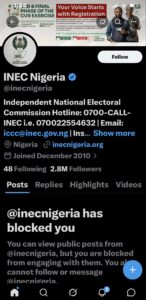
SHOCKING: This Is Not Democracy, Blocking People On Social Media Because Of Your Own Opinion. INEC has blocked me on social media, and we are taking it to court” — Rinu Oduala Blows Hot
A post by TrendingEx has spotlighted renewed tensions between civil society and Nigeria’s electoral umpire after activist Rinu Oduala alleged that the Independent National Electoral Commission blocked her on social media.
According to the post, Oduala said INEC restricted her account, preventing her from tagging or engaging with the Commission’s official handles. She disclosed plans to pursue court action under her #CitizenMonitorsLive initiative, which encourages real-time monitoring of electoral processes and government agencies by Nigerians online.
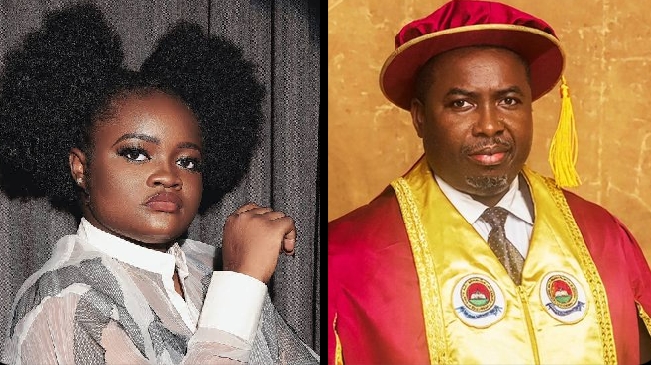
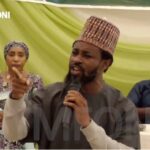
The TrendingEx update featured portraits of Oduala and a man in academic regalia, framing the issue as part of recurring accusations that taxpayer-funded institutions limit public scrutiny. The post quickly gained traction, with thousands of views and replies across X and Facebook.
Responses from Nigerians were mixed. Several users claimed they, too, had been blocked by INEC’s accounts after posting criticism or demanding answers on election-related issues. “INEC blocked me since 2023 for asking about result uploads,” one comment read. Others argued that public institutions should remain open to all citizens, regardless of their views, because they are funded by taxpayers.
Some users, however, defended the Commission, saying government agencies often block accounts that use abusive language, spam, or spread misinformation. “Blocking is not the same as denying access to information. The website and offices are still open,” a user wrote.
Oduala, a prominent #EndSARS advocate, launched #CitizenMonitorsLive to promote digital accountability and direct engagement between citizens and public institutions. Supporters of the initiative say social media is now a primary channel for civic participation, and blocking active citizens undermines transparency.
Legal experts note that while private individuals and companies can block users freely, the question becomes more complex when a public body performing statutory duties restricts access. Courts in other countries have ruled that official government social media pages are public forums, but Nigeria has yet to see a definitive ruling on the matter. As of press time, INEC had not issued an official response to Oduala’s claim. The Commission’s social media guidelines are not publicly detailed, and it remains unclear what specific action led to the alleged block.
In past elections, INEC has faced criticism over communication gaps, delayed result uploads, and perceived lack of responsiveness online. The Commission has maintained that it is committed to transparency and has urged Nigerians to use formal channels for complaints and FOI requests.
*Broader Implications*
The episode feeds into a wider debate about how public institutions in Nigeria manage criticism in the digital age. Civil society groups argue that blocking dissenting voices erodes trust, especially for agencies central to democracy like INEC. Others say agencies must balance openness with protection from harassment.
Oduala said her planned court action seeks clarity on whether public institutions can block citizens from engaging with official accounts. “This is about access. If you serve the public, the public should be able to reach you,” she was quoted as saying….See More

Leave a Reply