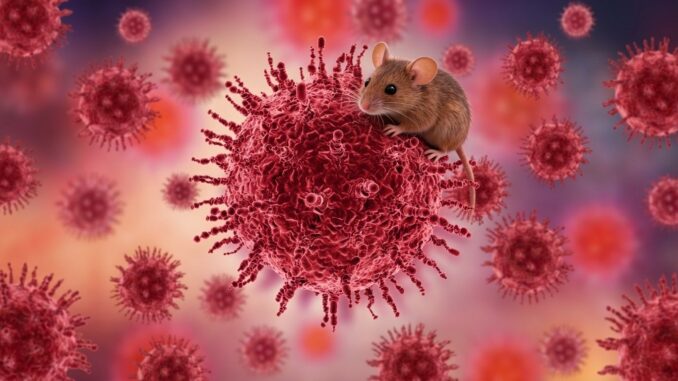
A “new virus more deadly” like COVID has hit Earth. While Hantavirus is not new, public awareness is useful. Here’s what verified sources like the CDC and Mayo Clinic say about the early indicators.
1. Sudden fever and chills.
The illness often starts with a high fever that feels like a “strange flu.” Chills are common. This is one of the first and most consistent symptoms reported in Hantavirus Pulmonary Syndrome cases.
2. Severe muscle aches.
Pain is typically intense and hits large muscle groups — thighs, hips, back, and shoulders. Patients describe it as overwhelming fatigue with deep aches, not normal post-workout soreness.
3. Headache, dizziness, and chills.
Headaches often accompany the fever. Dizziness or lightheadedness can also occur early on, adding to the flu-like picture.
4. Nausea, vomiting, diarrhea, or stomach pain.
About half of patients develop gastrointestinal issues first. Because this mimics food poisoning or stomach flu, it can delay diagnosis.
5. Recent exposure to rodent droppings or urine.
This is a critical risk factor, not a symptom. Cleaning sheds, cabins, garages, or any enclosed space with mouse or rat signs is the main exposure route. Symptoms appear 1–8 weeks after exposure. Dry sweeping should be avoided.
6. Cough that develops after fever.
A dry cough may start a few days into the illness. This can signal progression toward Hantavirus Pulmonary Syndrome, where lungs fill with fluid. Shortness of breath often follows.
Important context to avoid panic:
Progression: Early flu/GI symptoms last several days. In severe HPS cases, breathing problems and low blood pressure can develop rapidly 4–10 days later.
It’s usually not Hantavirus: These symptoms are nonspecific. Flu, COVID, and other viruses are far more common. The key red flag is fever + severe muscle aches + known rodent exposure.
Transmission: Most U.S. cases come from inhaling dust contaminated with rodent urine/droppings. Person-to-person spread is rare, though documented with the Andes strain in South America. Recent cruise ship cases involved that variant, with similar fever, GI issues, then rapid respiratory distress in some.
What to do: Seek care promptly if you have fever with severe muscle aches/fatigue and possible rodent exposure, especially if a cough or shortness of breath starts. Tell your doctor about any cleaning or travel history.
Prevention: Avoid rodents, ventilate spaces before entering, and wet-clean droppings with disinfectant. Wear a mask and gloves. Don’t dry-sweep….See More






Leave a Reply