Australia has begun giving away free electricity to households, as it currently generates more than it needs, with output exceeding 45GW. — Nigeria generates 4,000MW
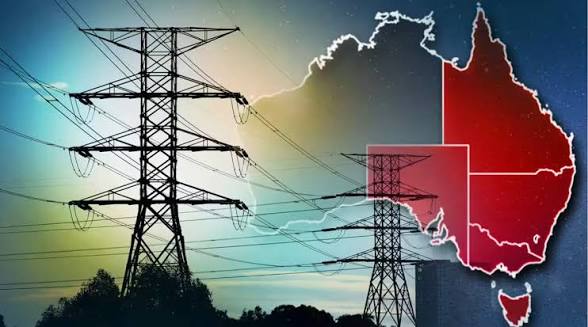
Australia is temporarily giving away free electricity to some households after renewable generation pushed national output above 45 gigawatts. The move highlights a growing gap between energy-rich and energy-constrained economies, with Nigeria’s grid still operating around 4,000 megawatts.
Australia’s National Electricity Market has seen record levels of solar and wind generation, especially during daylight hours. On peak days, output has exceeded 45GW, while demand in parts of the grid has lagged behind supply.
When supply outpaces demand, wholesale electricity prices can fall to zero or negative. In response, several retailers and state programs have passed those savings to consumers. Eligible households in South Australia, Victoria, and parts of Queensland have received “free power” windows, typically in the middle of the day when solar output is highest.
Officials say the policy is not a permanent subsidy. It is a demand-response measure designed to absorb excess renewable energy, reduce curtailment of solar farms, and give consumers an incentive to use power when it is most abundant.
By contrast, Nigeria’s available grid generation remains near 4,000MW, according to recent Transmission Company of Nigeria data. With a population of more than 200 million, that translates to less than 20 watts per person on the national grid, before losses and outages are factored in.
The result is frequent load-shedding, reliance on diesel and petrol generators, and high costs for businesses and households. Many Nigerians supplement grid power with off-grid solar, inverters, and captive generators.
Experts point to several structural issues: aging transmission infrastructure, gas supply constraints to power plants, low cost-recovery in distribution, and vandalism. Ongoing reforms, new transmission projects, and off-grid solar programs aim to raise capacity, but the scale of demand means progress will take time.
Australia’s challenge is managing abundance. Too much renewable power at once can destabilize the grid without storage or flexible demand. Free-electricity windows are one way to shift usage into surplus periods.
Nigeria’s challenge is scarcity. Adding generation capacity, firming it with gas and hydro, expanding transmission, and reducing commercial losses are critical to moving beyond 4,000MW to levels that can support industry and daily life.
For Australia, analysts expect more dynamic pricing and household battery adoption as solar penetration grows. For Nigeria, the focus is on adding reliable megawatts, improving grid discipline, and scaling distributed energy where the central grid cannot reach quickly…See More






Leave a Reply