
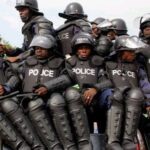
A short video of a police officer telling a driver “if you were an Igbo I will tell you to park and I won’t answer you” recently went viral. The clip was only seconds long, but it reopened a conversation that has existed in Nigeria for decades. Are Igbo people treated fairly in their own country. Are they seen as full citizens, or as second-hand indigenes.
The question is painful because it touches history, politics, identity, and everyday life.
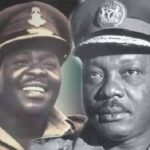
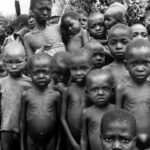
For many Igbo people, the feeling of exclusion did not start on social media. It started after the Nigerian Civil War from 1967 to 1970. The war was fought when the Eastern Region, led by Lt. Col. Odumegwu Ojukwu, declared independence as Biafra. The federal government defeated Biafra and the country was reunited.
After the war, General Gowon announced “No Victor, No Vanquished” and a program of Reconciliation, Reconstruction, and Rehabilitation. But many Igbo point to policies that followed as proof that the wounds were never fully healed.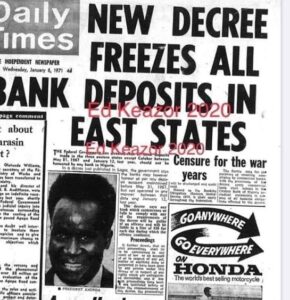
Currency was invalidated. Every person was given a flat £20 regardless of what they held before the war.
Properties abandoned in other parts of Nigeria were taken over and in many cases never returned.
Rebuilding of infrastructure in the southeast was slower compared to other regions.
Because of that history, many Igbo grew up hearing stories of loss. That memory shapes how some people interpret present-day treatment.
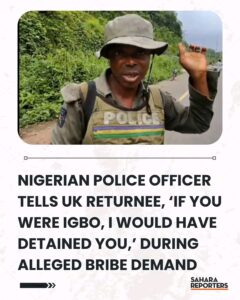
The trending police video is one example, but people cite other patterns when they ask if Igbo are treated fairly.
Federal representation. In 63 years of independence, no Igbo person has become president or head of state. People point to this and ask if the system allows it.
Jobs and opportunities. Some Igbo say they have lost jobs or contracts because of having a full Igbo name. Others say they changed their names to English names to avoid bias during job applications or travel.
Language and identity. In mixed cities, Igbo is not always treated as a national language the way Hausa or Yoruba sometimes are in their regions.
Security encounters. Stories of profiling during stop-and-search or at checkpoints circulate often, and the viral video gave voice to that frustration.
None of these experiences apply to every Igbo person. Millions live, work, and thrive across Nigeria. But the stories are repeated enough that the question keeps coming up.
Why other Nigerians are asking the same question.
The issue is no longer discussed only among Igbo. Other tribes are also asking it publicly. The reason is simple. A country cannot grow if a large group feels it does not fully belong.
When people feel excluded, trust breaks. When trust breaks, unity slogans sound empty. That is why the question “are Igbo treated fairly” is not just about Igbo. It is about what kind of Nigeria people want.
Many historians agree that marginalization was one of the factors that led to the Biafra war. After the 1966 killings of Igbo in the North and the failure of the Aburi Accord, Ojukwu concluded that the federal structure could not protect Igbo lives. That is why secession was declared.
Today, separatist groups still reference the same grievances. They argue that the problems of 1967 have not been solved, they have just changed form. Government officials usually respond that Nigeria is one and that all citizens have equal rights under the constitution.
One of the most painful signs people point to is name change. Some Igbo professionals, students, and business owners admit to using English first names or shortening Igbo surnames on CVs and business cards. They say it is not because they are ashamed of their name. It is because they do not want to be judged before they are heard.
That choice is a survival strategy. But it also shows how identity can become a burden in a country that should celebrate diversity.
On paper, the Nigerian constitution guarantees equality. No citizen should be discriminated against based on ethnic group, place of origin, sex, or religion.
In reality, people judge based on what they see and experience. A viral video of one police officer does not represent the entire Nigeria Police Force. But it confirms a fear that many already carry.
Are Igbo slaves in Nigeria. No. Slavery is illegal and Nigeria is a democracy. Igbo people vote, own businesses, lead institutions, and serve in government.
But are Igbo sometimes treated like second-class indigenes. That is the question many Nigerians are now asking out loud. The answer depends on who you ask and where you live. For some, the country feels fair. For others, the memory of war, the politics of representation, and daily encounters make them feel like outsiders in their own country.
A country that is over 60 years old cannot afford to keep having this conversation without action. Fair treatment is not a favor. It is the foundation of unity. Until people feel safe with their name, their language, and their history, the question will keep repeating. And if we ignore it, we risk repeating the same mistakes that led to 1967…See_More

Leave a Reply