Memories: What Silenced The Golden Voice Of Africa, The Real Cause Of Tafawa Balewa’s Death That Shocked Nigerians – The Full Incident From 60 Years Ago
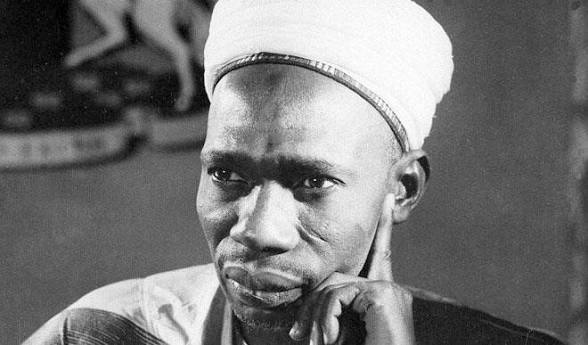
January 15, 1966 remains one of the most painful dates in Nigeria’s history. On that day, the country’s first and only Prime Minister, Sir Abubakar Tafawa Balewa, was killed.
He was 53. The man the world called the “Golden Voice of Africa” for his calm diplomacy and measured speeches was gone, and with him went the First Republic. Sixty years later, Nigerians still argue over exactly how he died.
The crisis began in the early hours of January 15. A group of mutinous army officers led by Major Emmanuel Ifeajuna moved against the government. Their grievance was political instability, allegations of election rigging, and the wave of violence that had gripped the Western Region under what was then called “Operation Wetie.” They believed the civilian leadership had failed the country and decided to act with force.
That night, the officers abducted Prime Minister Balewa from his official residence in Ikoyi, Lagos.
He was not the only one taken. Several senior government figures were detained as the plotters struck across Lagos, Ibadan, and Kaduna. The aim, they said, was to cleanse the system. What followed instead was the end of civilian rule.
Balewa was never seen alive again after that abduction. What happened to him on the road out of Lagos is where history splits into two competing narratives.
The first is the assination theory, which has long been the dominant account. Many witnesses, historians, and participants of the era maintain that Balewa was murdered by the coup plotters. Some testimonies say he was shot. Others say he and the Minister of Finance, Chief Festus Okotie-Eboh, were driven into the bush and abandoned to die. The detail changes, but the conclusion is the same: he did not die by accident or illness, but at the hands of the men who seized him.
The second is the asthma theory, which emerged decades later. Former External Affairs Minister Chief M.T. Mbu claimed that Balewa was not shot at all. According to him, the Prime Minister suffered a severe asthma attack after being left exhausted by the roadside and died without medical help. That version has remained controversial.
Critics point to the trauma of the coup, the violence of that night, and the physical condition of the body when it was found, and argue that an asthma attack alone does not explain it.
For six days Nigeria did not know where its Prime Minister was. Then, on January 20, 1966, the answer came from a remote stretch of bush at Iyana Ilogbo along the Lagos-Abeokuta Expressway.
The decomposing remains of Balewa were found there. The news was first broken to the public by veteran journalist Aremo Olusegun Osoba, then with the Daily Times. From that roadside, the body was taken to Balewa’s hometown of Bauchi for burial.
The killing of “The Golden Voice of Africa” did more than end one life. It ended an era. The loss of Balewa, alongside other northern and western leaders killed in the coup, sent shockwaves across the country.
In the North, anger over the killings boiled over into unrest. That tension helped trigger a bloody counter-coup in July 1966. Within two years, Nigeria was at war with itself.
Military rule would now define the country for most of the next three decades. The steady, unifying tone Balewa brought to governance was replaced by decrees, and the debate about his death became part of a larger debate about the cost of January 15.
So what silenced him? The official record says he was killed during the first military coup. The exact manner, shot or abandoned to die, is still disputed. The asthma claim is remembered, but it has never settled the question for most Nigerians.
What is not in doubt is this: Sir Abubakar Tafawa Balewa died on a roadside in January 1966 because Nigeria’s politics collapsed into violence. The “Golden Voice of Africa” was silenced by a coup, and the nation has been listening for its echo ever since…See More



Leave a Reply