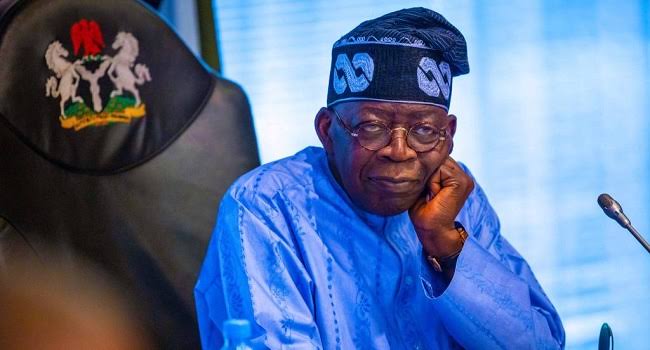
President Bola Ahmed Tinubu has urged Nigerians to “keep your hope alive” as the country marks three years since his administration began in 2023. In a recent address, he acknowledged the hardship citizens have faced and tied it directly to the economic reforms his government introduced, including the removal of fuel subsidy and unification of foreign exchange rates.
Tinubu admitted that the last three years have been difficult. Cost of living has risen, inflation has stayed high, and many households are struggling with food, transport, and electricity bills. Insecurity in parts of the country also remains a concern. But he framed these challenges as “necessary adjustments” meant to correct years of fiscal imbalance. According to him, subsidy removal stopped unsustainable spending and freed resources for infrastructure, health, and education. FX unification was intended to end multiple rates and improve investor confidence.
“These reforms were not easy, but they were necessary for long-term stability,” the president said. He asked Nigerians to remain patient, insisting that the sacrifices being made now would lead to a stronger economy and better living standards in the coming years. “Keep your hope alive,” he appealed, painting a picture of a country turning a corner after painful but essential medicine.
The speech quickly generated strong reactions online. Replies to the post showed widespread skepticism. Many Nigerians expressed exhaustion, saying they have heard promises of “better days ahead” for years without seeing real relief. Some responses were laced with sarcasm about further suffering, while others doubted that the government’s policies would deliver tangible improvements soon. Comments ranged from “Hope is expensive in this economy” to demands for clear timelines and measurable results.
Economists remain divided on the reforms. Supporters argue that removing the subsidy was overdue and that government revenue has improved as a result. They say the money saved can now fund roads, hospitals, and social programs that were underfunded before. Critics counter that the timing and execution lacked adequate safety nets. They point to rising poverty levels and falling purchasing power, warning that economic theory means little to families who cannot afford basic meals.
Security analysts also note that economic hardship and insecurity often feed each other. When livelihoods shrink, crime and banditry can increase, making stability harder to achieve….See More





Leave a Reply