High Blood Pressure Isn’t About Age, It starts with inflammation, insulin resistance, and low nitric oxide, Here are science-backed methods to lower your blood pressure naturally — Experts Urge Balance
A social media post is gaining traction for challenging the common belief that high blood pressure is mainly a result of ageing.
Instead, the thread argues that hypertension is largely driven by inflammation, insulin resistance and low nitric oxide levels, and lists eight natural approaches it claims can help reverse the condition.
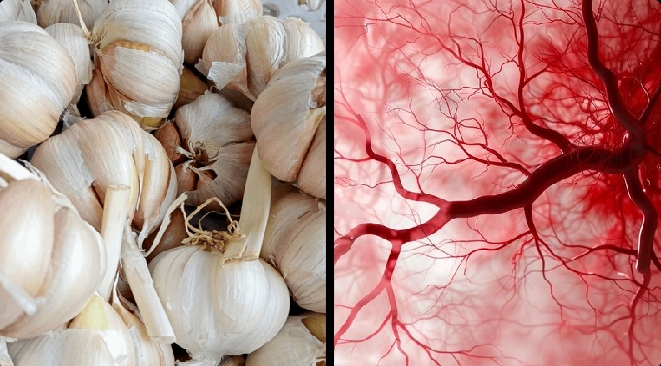
The post is accompanied by images of fresh garlic bulbs and a vascular network graphic, visually linking diet to circulation and heart health.
It recommends garlic for its allicin content, beets and leafy greens for nitric oxide production, balancing magnesium and potassium intake, consuming omega-3 fatty acids, avoiding processed foods, controlling insulin through fasting, prioritising quality sleep and using nattokinase supplements.
The account behind the thread, which focuses on biohacking and longevity, also includes Amazon affiliate links to nitric oxide and nattokinase supplements, encouraging followers to purchase products mentioned in the post.
Several of the claims cited in the thread are supported by scientific research, though typically with modest effects. Studies suggest that garlic supplementation may lead to small reductions in blood pressure, likely due to its allicin compounds, which can support blood vessel relaxation. Similarly, beetroot and leafy greens contain nitrates that the body converts to nitric oxide, a molecule that helps dilate blood vessels and improve blood flow.
Magnesium and potassium are also known to play important roles in regulating blood pressure.
Diets rich in potassium, particularly from fruits and vegetables, are associated with lower blood pressure levels. Omega-3 fatty acids, commonly found in fatty fish, have shown mild blood pressure-lowering effects in some clinical studies.
Sleep quality is another recognised factor. Poor sleep and sleep disorders such as sleep apnea are linked to higher risks of hypertension. Lifestyle approaches that reduce stress and improve sleep patterns can contribute to better cardiovascular health.
However, medical experts consistently warn that while lifestyle changes can help manage or reduce blood pressure, they do not replace prescribed medications for individuals diagnosed with hypertension.
The effectiveness of dietary and supplement-based interventions varies widely from person to person, and stopping medication without professional guidance can be dangerous.
The framing of hypertension primarily as an inflammation and insulin issue also reflects a broader trend in online health discussions, where complex medical conditions are often simplified into root-cause narratives.
While inflammation and metabolic health do play roles in cardiovascular disease, blood pressure regulation involves multiple systems, including the kidneys, nervous system and blood vessels…See More







Leave a Reply