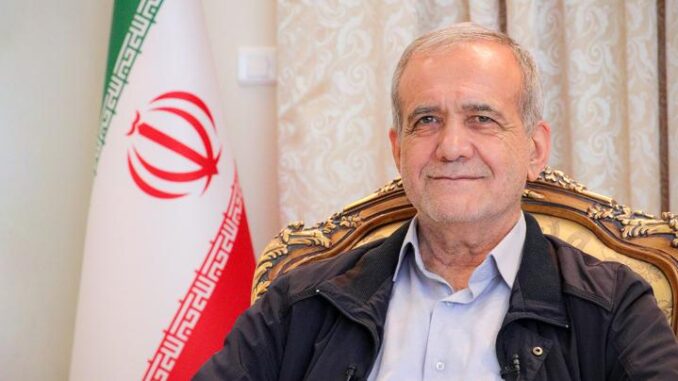
Iranian President Masoud Pezeshkian has confirmed the deaths of Intelligence Minister Esmail Khatib, former parliament speaker Ali Larijani, and military figure Aziz Nasirzadeh, describing their killings as a cowardly act of assassination. Pezeshkian made the announcement in a post on X on Tuesday, marking the first official acknowledgment from Tehran that the senior officials were killed in overnight strikes that targeted the Iranian capital. The confirmation came after Israeli sources had earlier claimed responsibility for the attacks.
The strikes represent one of the most devastating blows to Iran’s political and security establishment in recent memory. Khatib, who served as head of Iran’s intelligence apparatus, was a central figure in the country’s internal security operations. Larijani, a veteran politician who once led the Iranian parliament, remained a powerful voice within the ruling structure. Nasirzadeh held a prominent position within the military. The loss of all three in a single wave of attacks has sent shockwaves through Tehran and raised immediate questions about how such high-value targets were reached inside the heart of the capital.
According to Pezeshkian, the assassinations did not stop at the officials themselves. Family members and close associates were also killed in the strikes, deepening the toll and adding a layer of personal tragedy to an already devastating political crisis. The president’s tone in confirming the deaths was one of visible grief, making clear that the losses cut beyond politics and into personal bonds forged over years of shared service.
Pezeshkian left no doubt about how he views the killings.
“The cowardly assassination of my dear colleagues Esmail Khatib, Ali Larijani and Aziz Nasirzadeh has left us in mourning,” the Iranian president wrote.
The confirmation lands at a moment when the military confrontation between the United States and Iran has already escalated to levels not seen in decades. Warships have been destroyed, military infrastructure has been hit, and now the political leadership itself has been directly targeted. The assassination of figures this senior suggests a strategy aimed not merely at degrading military capacity but at destabilizing the Iranian government from within. For Tehran, the message is unmistakable, and the pressure to respond will be immense.
For you reading this conflict unfold, the developments carry both geopolitical and economic weight. Iran remains a significant player in global oil markets, and any prolonged instability in the region could affect crude oil prices and by extension Nigeria’s revenue and fiscal planning. Beyond economics, the escalation raises broader concerns about how quickly conflicts between major powers can spiral and what that means for smaller nations navigating an increasingly volatile world order….See You



Leave a Reply