
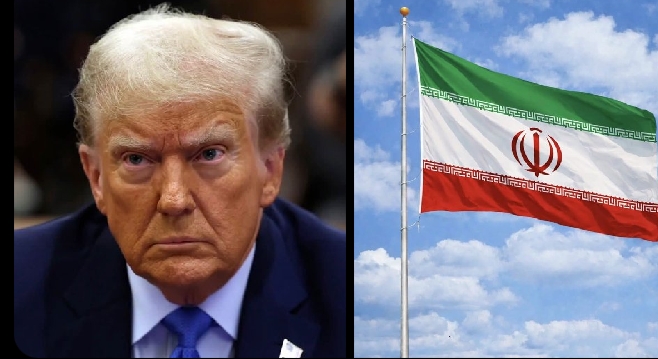
President Donald Trump has reiterated threats to destroy every Iranian power plant and bridge within hours if Tehran rejects a US-proposed deal aimed at resolving the Strait of Hormuz crisis and nuclear concerns.
The stark ultimatum comes amid stalled negotiations following five weeks of escalating US-Iran military confrontation that has brought the region to the brink of wider war.
Trump’s statement exemplifies his “peace through strength” approach, combining maximum military pressure and explicit destruction threats with parallel diplomatic efforts reportedly involving Pakistani intermediaries.
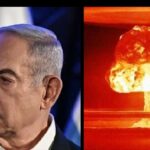
The warning, highlighted by geopolitics outlet BRICSinfo with imagery of a stern Trump portrait and the Iranian flag, represents a high-stakes gamble that risks catastrophic civilian infrastructure damage and broader regional conflict if diplomacy fails.
The specific threat targeting power plants and bridges represents a deliberate choice of critical civilian infrastructure that would cripple Iranian society if destroyed. Iran’s electrical grid provides power to over 88 million people for homes, hospitals, water treatment, telecommunications, and all other modern necessities.
The country’s bridges connect cities, enable commerce, and form essential transportation networks across mountainous terrain where alternative routes are often limited or nonexistent. Destroying these systems would plunge Iran into humanitarian crisis, potentially killing thousands directly through loss of hospital power and water treatment while causing suffering for millions more.
The promise to accomplish this destruction “within hours” emphasizes American military capability to conduct overwhelming attacks using cruise missiles, stealth bombers, and precision munitions.
Trump’s threat aligns with his long-standing approach of using extreme rhetorical pressure to extract concessions in negotiations, a tactic he employed throughout his business career and first presidential term.
The president apparently believes that confronting adversaries with credible threats of devastating consequences creates incentive to accept diplomatic solutions they might otherwise reject. Critics argue this approach is reckless when applied to international relations involving nuclear-armed or nuclear-threshold nations, as miscalculation or loss of face dynamics can trigger conflicts neither side actually wants. Supporters counter that only maximum pressure brings hostile regimes to the negotiating table and that Trump’s willingness to threaten force makes his diplomatic offers more credible.
The context includes five weeks of intense US-Iran military confrontation beginning with American and Israeli strikes on Iranian nuclear facilities and military installations in February 2026.
Iran responded by closing the Strait of Hormuz and launching missile attacks on American and Israeli targets, prompting further US military action including a naval blockade of Iranian ports. Recent weeks have seen fragile ceasefires, announced reopening of the strait with Iranian approval requirements, and reports of diplomatic talks mediated through third parties.
However, fundamental issues including Iran’s nuclear program, regional activities, and sanctions relief remain unresolved, leaving the situation volatile….See More


Leave a Reply