Iran’s Supreme Leader Mojtaba Khamenei has declared that the country will safeguard its nuclear and missile capabilities as core national assets, resisting pressure from the United States to scale them back.
The statement, delivered in written form and read on state television, comes amid a fragile ceasefire following months of conflict involving Iran, the United States, and Israel.
In the address, Khamenei emphasized that Iran’s defense and nuclear infrastructure are integral to national sovereignty and security.
He stated that these programs would not be subject to coercion or external dictates, signaling a firm stance in ongoing diplomatic tensions with Washington.
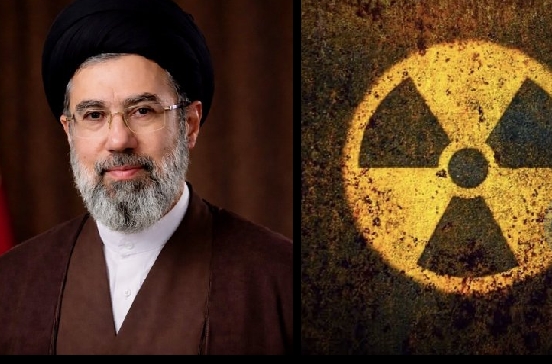
The message was accompanied in media coverage by his portrait and imagery symbolizing nuclear capability, underscoring the gravity of the announcement.
Mojtaba Khamenei assumed the role of Supreme Leader earlier this year after the death of his father, Ali Khamenei, who was killed in February 2026 airstrikes during escalated hostilities between Iran, the United States, and Israel.
His leadership begins at a time of heightened regional instability and sensitive negotiations aimed at preventing further conflict.
The Trump administration has reportedly sought renewed restrictions on Iran’s nuclear development and missile programs as part of broader regional security arrangements.
US officials argue that limits on enrichment levels, ballistic missile development, and regional proxy activities are necessary for long-term stability. Tehran, however, maintains that its programs are defensive in nature and within its sovereign rights.
Khamenei’s statement is widely interpreted as reinforcing Iran’s negotiating position.
By framing nuclear and missile capabilities as untouchable national assets, Iran signals that any talks will require concessions from all sides rather than unilateral disarmament. Analysts note that Tehran continues to hold strategic leverage through its geographic position along the Strait of Hormuz, a vital global oil transit route.
The ceasefire currently in place remains delicate, with both sides monitoring compliance and exploring diplomatic channels. While open hostilities have paused, mistrust persists.
Iranian officials have consistently argued that past agreements failed because of external withdrawal or sanctions pressure, while US policymakers insist on verifiable safeguards….See More





Leave a Reply