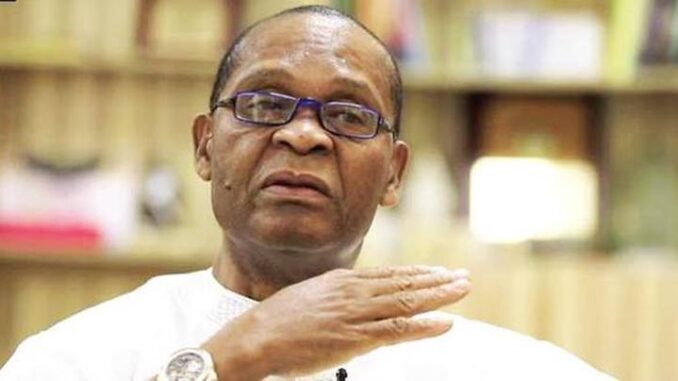
Joe Igbokwe has once again stirred deep reflection within Igbo society with an emotional outburst over what he describes as collective denial of the trauma the South East has endured over the past 15 years. Reacting to conversations that downplay the violence, fear, and destruction that plagued the region, Igbokwe said he feels physically disturbed whenever he hears people from his own tribe act as if nothing significant occurred.
According to him, the pain goes beyond politics. It strikes at the heart of Igbo values handed down by ancestors. He questioned whether foundational principles such as “Ako nu Uche” (wisdom with deep thought) and “Onye aghana nwanneya” (do not abandon your brother) still hold meaning today. For Igbokwe, pretending that years of bloodshed, economic collapse, and social dislocation never happened is not only dishonest but a betrayal of Igbo cultural identity.
He pointed to the widespread violence that rocked the South East, including killings, destruction of public and private property, forced sit-at-home orders, and the fear that emptied streets and markets. Families lost loved ones, businesses collapsed, and young people were either killed, displaced, or radicalized. Yet, Igbokwe lamented, some now speak as though the region merely experienced “political noise.”
Igbokwe also invoked traditional Igbo concepts such as “Igbu ochu” (justice for wrongdoing) and “Ilacha obala” (cleansing the land). In Igbo tradition, he argued, wrongs are confronted openly so that healing can begin. Silence, denial, or selective memory only deepens wounds. “Onye mee alu, alu ekpulu nkata so ya,” he stressed, meaning that whoever commits abomination must bear its consequences.
If you love political news or like to get more news happening around the globe, use the button below to get more verified news happening around Nigeria and the world today.








Leave a Reply