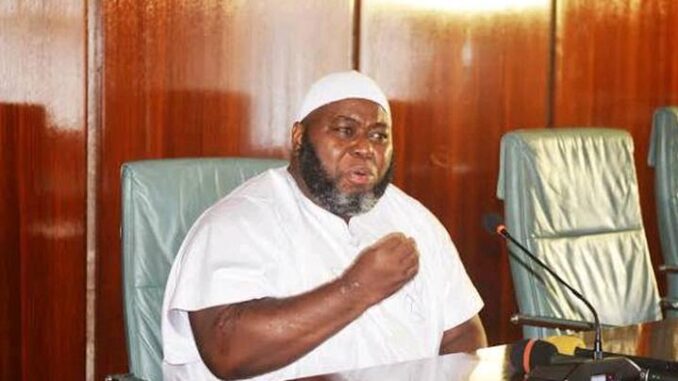
Niger Delta activist and Kalabari chieftain, Asari Dokubo, has addressed questions about his ethnic background, clarifying his lineage amid ongoing speculation.
In a video shared on Facebook on Thursday, March 12, 2026, Dokubo responded to claims regarding his ancestry, explaining that while he is firmly rooted in the Ijaw ethnic group, he also has connections to the Igbo community. He attributed this to Nigeria’s long history of intermarriage and cultural interactions, which has produced many families with mixed heritage.
“First and foremost, my father is not an Igbo man, but I have Igbo blood flowing in my veins,” Dokubo stated, emphasizing that his primary identity remains Ijaw. He said that such heritage reflects the complex social and cultural relationships that exist across communities in Nigeria rather than challenging his Ijaw roots.
Dokubo noted that many Nigerians today carry multi-ethnic backgrounds and argued that this should be seen as a natural consequence of decades of coexistence and cultural exchange. He criticized attempts to use ethnic identity as a political tool, warning that such tactics often create unnecessary divisions among people who have historically lived together.
The activist further stressed that discussions about ancestry should promote understanding rather than sow rivalry or suspicion. He called for greater unity among Nigerians, suggesting that acknowledging shared cultural ties could strengthen inter-ethnic relationships and contribute to national cohesion.
Dokubo’s message reflects his broader stance on fostering unity and mutual respect among Nigeria’s diverse communities. The key moments of his explanation were captured between 0:36 and 0:45 in the video.
His clarification comes amid persistent questions and debates about ethnic identity in Nigeria, highlighting the importance of embracing Nigeria’s complex social fabric rather than using it as a point of contention….See More






Leave a Reply