


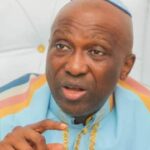
In a recent video on his Facebook page, Nigerian cleric and Leader of the INRI Evangelical Spiritual Church, Primate Elijah Ayodele, has declared that Nigeria will not descend into full-scale war despite mounting tensions across various regions of the country, but warned that the nation should brace for “crisis upon crisis” in the months ahead.
Speaking during a church service in Lagos on Sunday, Ayodele dismissed widespread fears of an imminent armed conflict, saying that although political, economic and security pressures are intensifying, they will not culminate in a conventional war.
“There will be no war in Nigeria,” he said. “But there will be crisis over crisis. The country will continue to face different forms of challenges that will shake the system.”
His remarks come at a time when concerns over insecurity, rising cost of living, political divisions, and regional agitations have fueled anxiety among citizens. From insurgency in parts of the North to separatist tensions in the South-East and sporadic communal clashes in other areas, the security landscape remains fragile.
Ayodele stressed that while these issues may escalate and create significant instability, they would not evolve into a nationwide armed confrontation. Instead, he predicted a period marked by economic hardship, protests, institutional strain and political disagreements.
“What Nigerians will experience is not war but turbulence,” he said. “There will be economic crises, leadership crises, security crises — one challenge after another.”
The cleric also urged the federal government to adopt proactive measures to prevent avoidable breakdowns in law and order. According to him, dialogue, inclusive governance and urgent economic reforms are critical to easing tensions and restoring public confidence.
He warned that failure to address unemployment, inflation and insecurity could deepen public frustration, potentially triggering waves of demonstrations and civil unrest. However, he maintained that the country’s democratic framework and the resilience of its people would prevent a complete collapse into war.
Ayodele further called on political leaders to avoid inflammatory rhetoric, especially as preparations intensify ahead of future electoral cycles. He cautioned that divisive language and ethnic or religious manipulation could aggravate existing tensions.
Religious leaders, he added, have a responsibility to preach peace and discourage violence among their followers. “This is a time for calm and wisdom,” he said. “Nigeria must not be pushed into chaos by selfish interests.”
Public reaction to Ayodele’s statement has been mixed. Supporters view his prophecy as a reassurance that, despite visible strains, the nation will avoid the devastation of armed conflict. Critics, however, argue that repeated crises without structural reforms could still have severe consequences for stability and development.
Security analysts note that Nigeria’s challenges are multifaceted and deeply rooted, requiring coordinated action across federal, state and community levels. They emphasize that while a conventional war may not be imminent, persistent instability can be equally damaging if left unaddressed.
As Nigerians grapple with economic pressures and ongoing security concerns, Ayodele’s message underscores a central theme: the nation may not face war, but it must prepare for continued turbulence. Whether that turbulence evolves into meaningful reform or prolonged instability, observers say, will depend largely on leadership decisions and collective civic responsibility in the months ahead… Discover More
Watch VIDEO here from 3:06 to 3:12




Leave a Reply