
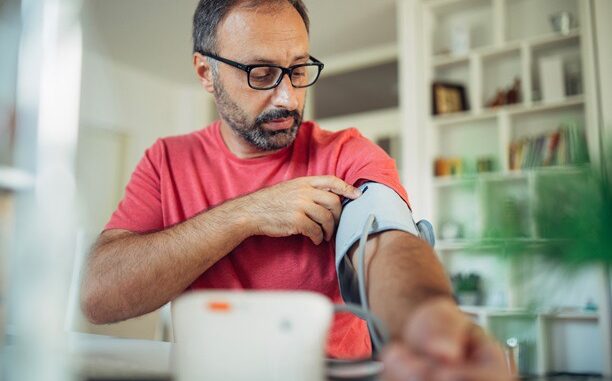
Diagnosing Low Blood Pressure:
Low blood pressure is typically diagnosed by measuring your blood pressure using a sphygmomanometer, which consists of an inflatable cuff and a pressure gauge. A reading below 90 millimeters of mercury (mmHg) systolic or 60 mmHg diastolic is generally considered low blood pressure. However, it’s important to note that what is considered low blood pressure can vary from person to person, as optimal blood pressure levels differ depending on individual factors.
In addition to measuring blood pressure, healthcare professionals may also consider other factors when diagnosing low blood pressure, including your medical history, symptoms, and any underlying health conditions. Further diagnostic tests, such as blood tests or electrocardiograms (ECGs), may be conducted to identify potential causes and determine appropriate treatment strategies.
Treatment option for low blood pressure
Depends on the underlying cause and severity of your condition. In cases where low blood pressure is not causing significant symptoms or complications, treatment may not be necessary. However, if you’re experiencing bothersome symptoms or if your blood pressure drops to dangerously low levels, intervention is required.
Here are some common treatment approaches for low blood pressure:
1. Lifestyle Modifications:
In mild cases of low blood pressure, making certain lifestyle changes can help alleviate symptoms. These changes may include:
2. Increasing fluid and salt intake:
Increasing your fluid and salt intake can help expand blood volume and raise blood pressure. However, it’s important to consult with a healthcare professional to determine the appropriate amount of salt for your individual needs, especially if you have underlying health conditions like kidney problems or high blood pressure.
3. Eating smaller, more frequent meals:
Consuming smaller, more frequent meals throughout the day can prevent significant drops in blood pressure that may occur after large meals.
4. Avoiding prolonged standing or sitting:
Standing or sitting for extended periods can contribute to low blood pressure. If possible, take regular breaks and move around to maintain blood flow.
Medications:
In some cases, medications may be prescribed to manage low blood pressure. The type of medication depends on the underlying cause of your condition. Medications commonly used to treat low blood pressure include:
Fludrocortisone: This medication helps increase blood volume and constrict blood vessels, raising blood pressure.
Midodrine: Midodrine is a medication that constricts blood vessels and helps raise blood pressure.
Pyridostigmine: Pyridostigmine improves nerve signals and can increase blood pressure.
Alpha-1 agonists: These medications constrict blood vessels and increase blood pressure.
Note:
It’s important to note that medication should only be taken under the guidance and supervision of a healthcare professional.
Treating Underlying Conditions:
Low blood pressure can sometimes be a symptom of an underlying health condition. Treating the primary cause may alleviate the associated low blood pressure. Conditions such as dehydration, heart problems, endocrine disorders, and nutritional deficiencies can contribute to low blood pressure. In these cases, managing and treating the underlying condition can help normalize blood pressure levels.
Compression Stockings:
Compression stockings, also known as support stockings, can help improve blood circulation and prevent blood from pooling in the legs. By providing gentle pressure on the legs.




Leave a Reply