Throughout history, countries have appeared on maps, shaped lives, and then disappeared. Some were erased by war. Others split apart, merged, or were absorbed. Even though they no longer exist, the stories they left behind still matter. Here are 8 countries that once existed and what happened to them.
1. Prussia.
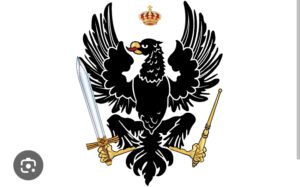
Prussia was once a powerful kingdom and later a major state in Germany. It was known for its military and bureaucracy and played a central role in European politics. After World War II, the Allied powers dissolved Prussia through the Potsdam Agreement. Its territory was divided between Poland, the Soviet Union, and what became modern-day Germany. Today the name Prussia is gone, but its influence on German culture and government is still studied.
2. Yugoslavia.
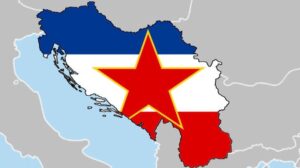
Yugoslavia was formed after World War I as a union of South Slavic peoples. At its largest it included what are now Serbia, Croatia, Bosnia and Herzegovina, Slovenia, Montenegro, North Macedonia, and Kosovo. After World War II it became a socialist federation under Josip Broz Tito. In the 1990s, ethnic tensions and political collapse led to a series of wars. The country broke apart and today its territory is divided among seven independent states.
3. The Ottoman Empire
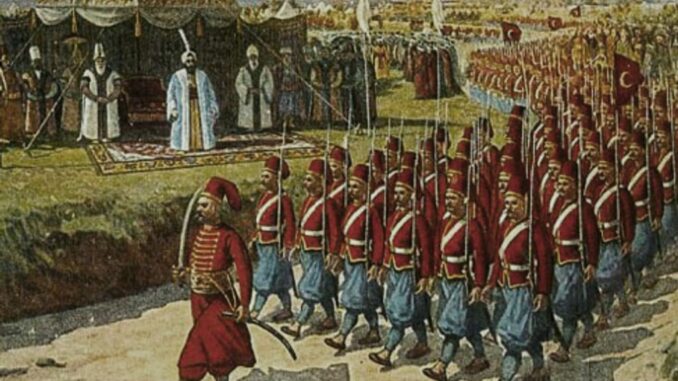
For more than 600 years the Ottoman Empire ruled large parts of Europe, Asia, and Africa. At its peak it stretched from Hungary to Arabia. After siding with the losing side in World War I, the empire collapsed. In 1923 the Republic of Turkey was founded on its Anatolian core. The rest of its lands were divided into new countries and mandates, including Iraq, Syria, Lebanon, Jordan, Israel, Palestine, and parts of the Balkans and North Africa.
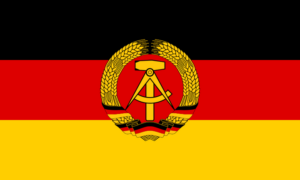
From 1949 to 1990, Germany was split into two states. East Germany, officially the German Democratic Republic, was a communist state aligned with the Soviet Union. West Germany was a democracy aligned with the West. The Berlin Wall separated them. After protests and political change in 1989, the Wall fell. In 1990 East Germany dissolved and its five states joined West Germany, reunifying the country.
5. Czechoslovakia.
Czechoslovakia was created after World War I from parts of the Austro-Hungarian Empire. It united Czechs and Slovaks in one country. For decades it was a democracy, then a communist state, then a democracy again. In 1993, without war, leaders agreed to a peaceful split. The country divided into two: the Czech Republic and Slovakia. This is often called the Velvet Divorce.
6. Rhodesia.
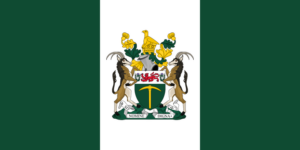
Rhodesia was a landlocked territory in Southern Africa. In 1965 its white minority government declared independence from Britain, which was not internationally recognized. Years of war followed. In 1980, after negotiations, Rhodesia became independent Zimbabwe with majority rule. The name Rhodesia disappeared, but its history remains central to discussions about colonialism and independence in Africa.
7. The Republic of Texas.
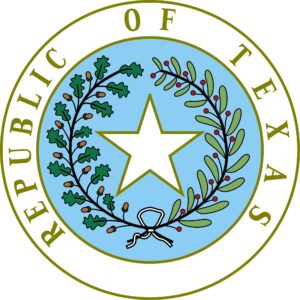
In 1836, Texas declared independence from Mexico after the Texas Revolution. For nine years it existed as the Republic of Texas, with its own president, flag, and government. In 1845 it was annexed by the United States and became the 28th state. The period as an independent republic is still remembered in Texas culture and symbols.
8. The Confederate States of America.
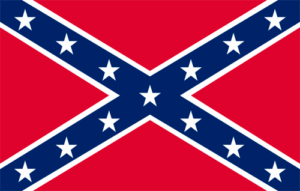
During the American Civil War, 11 southern states seceded from the United States and formed the Confederate States of America in 1861. The Confederacy fought a four-year war to preserve slavery and state independence. In 1865 it was defeated by the Union. The Confederate government was dissolved and the states were brought back into the United States. Its legacy continues to shape American politics and memory.
The world map is not permanent. Countries rise when people unite around a language, religion, or idea. They fall when war, economics, or internal division pull them apart.
Some, like Czechoslovakia and East Germany, ended peacefully. Others, like Yugoslavia and Rhodesia, ended in conflict. A few, like Prussia and the Ottoman Empire, were once empires that defined entire regions.
Learning about them helps us understand borders, identity, and how quickly things can change. The names may be gone from modern maps, but their laws, borders, and people helped shape the countries we live in today…See_More



Leave a Reply