Some places are closed to the public for safety, security, or conservation reasons. Crossing into them can mean legal trouble, danger, or both. Here are 5 locations that remain strictly off-limits.
1. North Sentinel Island, India.
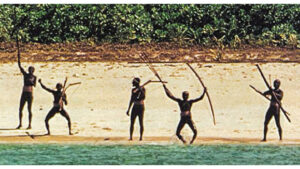
Located in the Bay of Bengal, North Sentinel Island is home to the Sentinelese, one of the world’s last uncontacted tribes.
To protect both the tribe and outsiders, India has banned all interaction with the Sentinelese. Indian law prohibits citizens and foreigners from approaching within 3 nautical miles of the island. The restrictions exist because the Sentinelese have historically rejected outside contact and are vulnerable to diseases they have no immunity to.
2. Ilha da Queimada Grande, Brazil.
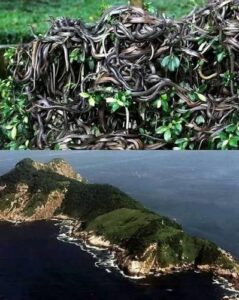
Known as “Snake Island,” Ilha da Queimada Grande lies off the coast of São Paulo. It is estimated to host between 2,000 and 4,000 golden lancehead vipers, one of the most venomous snakes on the planet.
Because of the extreme risk, the Brazilian Navy bars the public from landing on the island. Only authorized scientists with special permits are allowed limited access for research.
3. Area 51, Nevada, USA.
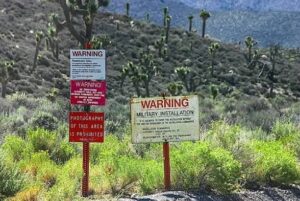
Officially part of the Nevada Test and Training Range, Area 51 is a highly classified U.S. Air Force facility. The adjacent airfield is known as Homey Airport, or Groom Lake, and operates under Edwards Air Force Base.
The area is surrounded by restricted airspace, surveillance, and security patrols. Unauthorized entry is a federal offense, and photography or trespassing near the perimeter can lead to arrest.
4. Surtsey Island, Iceland.
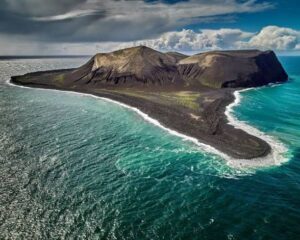
Surtsey was formed by a volcanic eruption in 1963 and is now a UNESCO World Heritage Site. Scientists use it as a living laboratory to study how plants, animals, and geology develop without human interference.
To preserve that process, Iceland prohibits all visits except for a small number of researchers with government approval. Tourism and casual landings are not allowed.
5. Varosha, Famagusta, Cyprus.
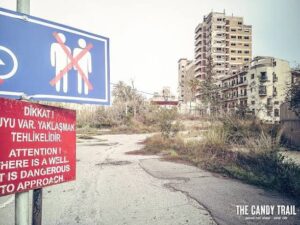
Varosha was once a thriving seaside district in Famagusta. After 1974, the Turkish Army sealed it off with a fence, and Greek Cypriots who fled were barred from returning.
For decades, Varosha remained a fenced ghost town. Access has been heavily restricted, and entering without authorization is illegal under current regulations.
From protecting isolated communities and fragile ecosystems to safeguarding national security, these restrictions are enforced by law. Attempting to visit without permission can result in fines, detention, or serious personal risk..See More






Leave a Reply