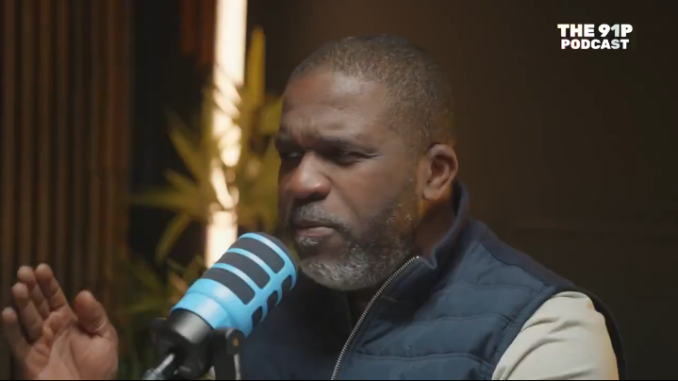
Political discourse in Nigeria continues to evolve as analysts and commentators offer varying perspectives on the country’s leadership and future direction. One such voice, Sola Kuti, has sparked conversation with his candid assessment of Nigeria’s political dynamics, particularly as discussions around the 2027 presidential election begin to gain momentum.
Speaking from his standpoint as a political analyst, Kuti described his outlook on Nigerian politics as somewhat philosophical, suggesting that many expectations held by citizens may not align with the realities on ground. According to him, the idea of a government outside the current leadership structure led by President Bola Ahmed Tinubu leans more toward idealism than practical reality. This viewpoint challenges a growing narrative among some Nigerians who are eager for a significant political shift in the coming years.
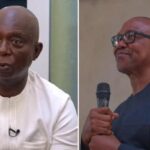
Kuti’s analysis becomes even more striking when he turns his attention to Peter Obi, the Labour Party’s presidential candidate in the 2023 election and a figure widely speculated to contest again in 2027. While Obi enjoys strong support among a segment of the population that believes in his vision for reform, Kuti argues that this support may be rooted more in hope than in pragmatic political calculation.
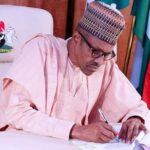
Drawing a parallel that is likely to generate debate, Kuti likened Obi’s appeal to the wave of enthusiasm that once surrounded former President Muhammadu Buhari before he assumed office. He suggested that Nigerians may be placing similar expectations on Obi without fully considering the complexities of governance.
In his words, Sola Kuti said, “Peter Obi for me is just another Buhari. You know how Buhari was so overrated that when he became president, everybody thought things would become better. That’s what I think Peter Obi is. He’s another guy who is an idealist not a realist.”
This statement underscores Kuti’s central argument—that political success in Nigeria is not driven solely by ideals or popularity but by a deep understanding of the system and the ability to navigate its realities. His perspective invites reflection on whether Nigerians prioritize vision over strategy when choosing their leaders.
As conversations around 2027 continue to unfold, opinions like Kuti’s are likely to fuel deeper debates about leadership, expectations, and the balance between idealism and realism in shaping Nigeria’s future. Whether one agrees with his stance or not, it adds another layer to the ongoing national dialogue about what kind of leadership the country truly needs….See More


Leave a Reply