
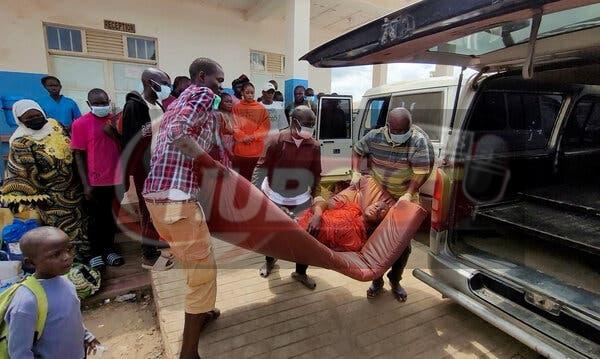
The World Health Organization has declared the ongoing Ebola outbreak in the Democratic Republic of the Congo and Uganda a “public health emergency of international concern” after a sharp rise in suspected cases and deaths.
WHO Director-General Tedros Adhanom Ghebreyesus announced the decision on Sunday, May 17, 2026, following reports of more than 300 suspected cases and 88 deaths linked to the outbreak. The declaration places the Ebola crisis at the highest level of alarm under international health regulations, unlocking emergency funding and accelerating global coordination.
The outbreak is being driven by the Bundibugyo strain of the Ebola virus, a rare variant for which there are currently no approved vaccines or targeted treatments. Health authorities say this is only the third time the Bundibugyo virus has been detected since it was first identified in 2007.
Most cases have emerged from Congo’s Ituri province, with 246 suspected cases, 8 laboratory-confirmed cases, and 80 suspected deaths reported across Bunia, Rwampara and Mongbwalu as of Saturday. Uganda has confirmed imported cases in Kampala, with two laboratory-confirmed infections reported on Friday and Saturday from people who had traveled from the DRC. One patient died in a Kampala hospital, while a second case was identified in the city. A laboratory-confirmed case was also reported in Kinshasa, Congo’s capital, in a person returning from Ituri.
WHO said the outbreak does not meet the criteria for a pandemic-level emergency like COVID-19, but warned that the risk of regional spread remains high. Countries sharing land borders with the DRC are considered at high risk for further spread. The agency advised against border closures and urged countries to activate disaster and emergency mechanisms, strengthen cross-border screening, and monitor main internal roads.
“This outbreak is ‘extraordinary’ as there are no approved Bundibugyo virus-specific therapeutics or vaccines, unlike for Ebola-Zaire strains,” WHO said. The Bundibugyo strain has a high lethality rate that can reach 50%.
Doctors Without Borders said it was preparing a “large-scale response,” calling the rapid spread “extremely concerning”. Officials first reported the outbreak in Ituri on Friday, with Africa CDC reporting 336 suspected cases and 87 deaths as of Saturday.
WHO stressed that Bundibugyo virus contacts and cases should not travel internationally unless as part of a medical evacuation. The agency said there are significant uncertainties about the true number of infected persons and geographic spread, and limited understanding of epidemiological links.
The declaration is the first global health emergency since mpox received the same designation in 2024. WHO urged the international community to avoid stigmatizing affected countries and to focus on technical and financial support for containment efforts…See More


Leave a Reply