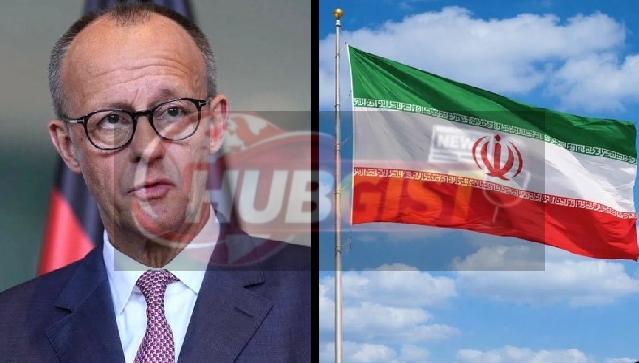
German Chancellor Friedrich Merz has called on Iran to “come to the negotiating table now,” following a phone call with U.S. President Donald Trump as the president returned from China. Merz said both leaders agreed that Tehran must return to talks, reopen the Strait of Hormuz, and abandon any ambitions to acquire nuclear weapons.
In a post on X, Merz wrote that “we agree: Iran must now come to the negotiating table. The Strait of Hormuz must be opened. Tehran must not have nuclear weapons”. The call took place as the U.S.-Israeli war with Iran has disrupted shipping through the strait, which carries about 20% of global oil and liquefied natural gas.
Merz and Trump also discussed prospects for a peaceful settlement in Ukraine and coordinated positions ahead of the upcoming NATO summit in Ankara. The German chancellor described the conversation as a “good phone call,” noting that the U.S. and Germany remain “strong partners in a strong NATO”.
The push for negotiations comes amid a fragile ceasefire and stalled talks. Iran has effectively closed the Strait of Hormuz since late February, citing the U.S. naval blockade and ongoing strikes. Tehran has said it will not reopen the waterway as long as the blockade remains, arguing that reopening should not be tied to nuclear concessions. The closure has pushed up energy prices and forced Gulf states to curtail oil production.
European leaders have expressed concern over the economic fallout. Merz has repeatedly warned that the conflict is directly impacting Germany’s energy supply and economic performance. Germany has said it is in principle ready to help secure transit routes through the strait after a ceasefire, but only with a UN mandate and parliamentary approval.
Public reaction to the diplomatic push has been polarized. Skeptics point to repeated breakdowns in past negotiations and question whether pressure alone can bring Iran back to the table. Others highlight Iran’s resilience during the conflict and criticize Germany’s recent arms approvals to Israel, arguing that Western military support undermines calls for de-escalation.
The U.S. maintains that diplomacy remains the priority, but officials have warned that “all options” remain on the table if Iran refuses to negotiate. Trump has said Iran cannot be allowed to develop a nuclear weapon and has tied any broader deal to the reopening of Hormuz and limits on enrichment….See More



Leave a Reply