JUST IN: Iran says “we understand that some countries have been harmed by our actions in the Strait of Hormuz.” “But they can blame the United States and Israel
Iran has acknowledged that its restrictions in the Strait of Hormuz have affected global shipping but says the root cause of the disruption lies in US and Israeli military actions during the 2026 war.
In a statement circulating online, Iranian officials attributed the tensions in the strategic waterway to American port blockades and Israeli strikes that allegedly targeted Iran’s oil infrastructure.
The remarks highlight the growing geopolitical strain surrounding one of the world’s most critical energy corridors.
The Strait of Hormuz, which connects the Persian Gulf to the Arabian Sea, is a vital passage for a significant portion of global oil shipments. Iran has long viewed the narrow waterway as a strategic leverage point in its confrontation with Western powers.
According to the statement, Tehran has been coordinating maritime passage through oversight by the Islamic Revolutionary Guard Corps, commonly known as the IRGC, while responding to what it describes as aggressive economic and military measures by the United States and Israel.
Iranian officials reportedly said that while shipping delays and increased security checks have created collateral impacts on international trade, these measures were enacted in response to US-led port blockades and airstrikes that disrupted Iran’s oil exports.
“The instability in the region did not begin with Iran,” the statement read, placing responsibility on Washington and Tel Aviv for escalating the 2026 conflict and its economic fallout.
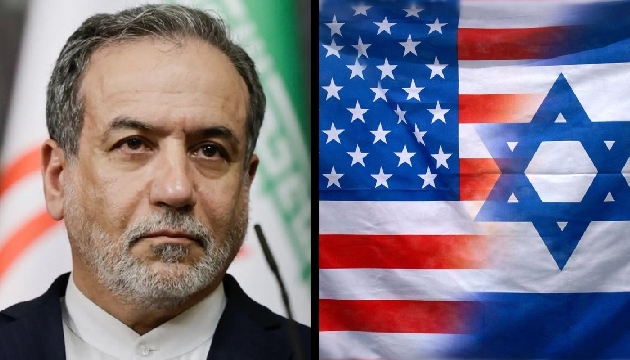
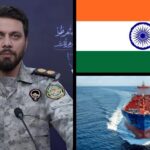
The quote was shared by an independent BRICS-focused account, accompanied by an image of an Iranian official alongside a blended US-Israel flag.
The visual framing reinforced Tehran’s narrative that external powers are the primary drivers of the crisis. The messaging aligns with Iran’s broader diplomatic posture, particularly as it strengthens ties with BRICS-aligned nations and positions itself against Western influence.
During the 2026 war, tensions reportedly intensified after strikes targeted Iranian-linked facilities and shipping infrastructure. The United States and Israel have previously accused Iran of destabilizing maritime security in the Gulf, including through the harassment of commercial vessels and the seizure of tankers. Iran, in turn, has denied initiating aggression and maintains that its actions are defensive responses to economic warfare and military pressure.
The Strait of Hormuz has historically been at the center of geopolitical brinkmanship. Even minor disruptions can send shockwaves through global energy markets, affecting oil prices and supply chains.
Analysts note that any prolonged instability in the passage risks wider economic consequences, particularly for energy-importing nations in Asia and Europe…See More


Leave a Reply