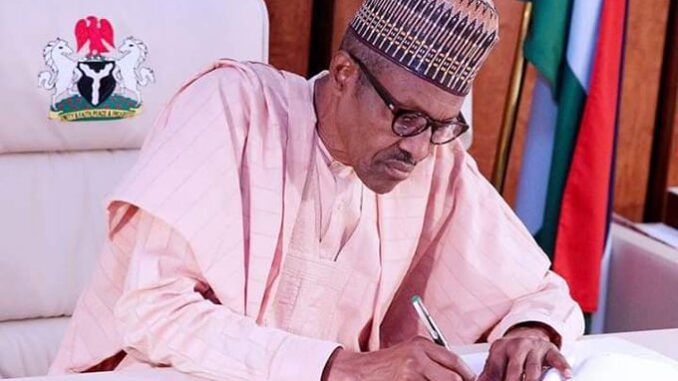
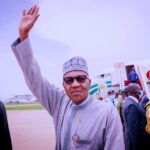
Former President Muhammadu Buhari frequently stated during his time in office that Nigerians would miss him after he left in 2023, advising that citizens would only appreciate his leadership once his tenure ended and they experienced what came after. The remark, delivered in speeches and interviews throughout his final years as president, sparked immediate and polarised reactions.
Supporters echoed his sentiment, arguing that Buhari’s discipline, anti-corruption focus, and infrastructural investments would be recognised as valuable only in hindsight. Critics dismissed the statement as tone-deaf and out of touch, pointing to the widespread hardship, insecurity, and economic stagnation that defined much of his tenure and questioning why anyone would miss a government that had failed to deliver on its core promises of security, economic growth, and improved living standards.
Three years after Buhari left office and handed power to President Bola Ahmed Tinubu, the statement remains a subject of debate. Some Nigerians, particularly those frustrated with the current administration’s policies, have begun to invoke Buhari’s name with a mixture of nostalgia and regret, suggesting that while his presidency was flawed, it was more stable, predictable, or at least less economically painful than what followed.
The removal of fuel subsidies, the floating of the naira, and the surge in inflation under Tinubu have led to comparisons that frame Buhari’s final years as a period of relative calm before the storm, even if that calm was accompanied by its own failures.
The fuel subsidy is a central point of comparison. Buhari maintained the subsidy despite pressure from international financial institutions and domestic economists to remove it, a decision that kept petrol prices artificially low and shielded Nigerians from the full cost of imported fuel. Tinubu removed the subsidy on his first day in office, triggering immediate price increases that cascaded through the economy and contributed to inflation levels that have made basic goods and services unaffordable for millions.
For Nigerians who are now paying two or three times what they paid for fuel under Buhari, the comparison is not theoretical. It is felt every time they fill a tank or pay for transportation, and some of them are publicly saying that Buhari, for all his faults, at least kept fuel affordable.
The economic data, however, complicates the nostalgia. Buhari’s tenure saw GDP growth stagnate, unemployment rise, and poverty levels increase to the point where Nigeria overtook India as the country with the most people living in extreme poverty. The security situation deteriorated across multiple fronts, with banditry, kidnapping, and insurgency reaching levels that made large parts of the country ungovernable. Infrastructure projects were announced and some were completed, but the overall state of roads, railways, and power supply remained poor, and the corruption that Buhari promised to eliminate continued to thrive in different forms under his watch.
Critics of the Buhari nostalgia argue that comparing his tenure favourably to Tinubu’s is a case of choosing between two failures rather than recognising that both administrations have left Nigerians worse off. They point out that the economic foundations that Buhari laid or failed to lay, including the accumulation of debt, the depletion of foreign reserves, and the failure to diversify the economy, are part of what makes the current crisis so severe. Blaming Tinubu for problems that were inherited or set in motion before he took office, they argue, lets Buhari off the hook for failures that his government was directly responsible for.
Supporters of the “we miss Buhari” narrative counter that the comparison is not about absolving Buhari of his failures but about recognising that the situation has objectively worsened under Tinubu. They argue that fuel prices, inflation, insecurity, and the general sense of economic despair are all higher now than they were in 2023, and that whatever Buhari’s shortcomings, the lived experience of Nigerians was less painful under his administration than it is under the current one.
The phrase “I never thought I would say this but I miss Buhari” has become a recurring sentiment in social media discussions, reflecting a reluctant acknowledgment that the bar for leadership has fallen so low that even a widely criticised predecessor is starting to look better in comparison….See More



Leave a Reply