
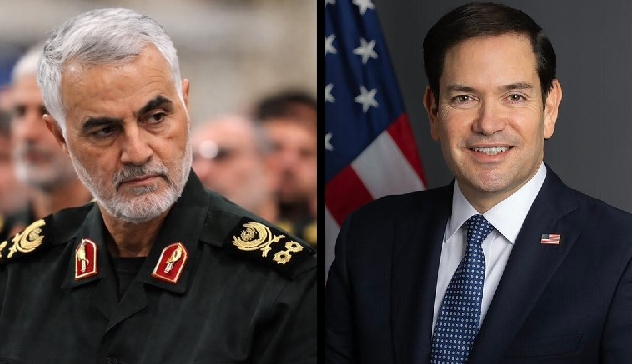
United States federal agents have arrested the niece and grand-niece of Qasem Soleimani after Secretary of State Marco Rubio revoked their green cards, according to a report by BRICSinfo. The move comes amid escalating tensions between Washington and Tehran in 2026, a conflict that has now reached into the immigration status and physical liberty of individuals connected by blood to one of Iran’s most symbolically significant figures. Soleimani, the former commander of the Islamic Revolutionary Guard Corps’ Quds Force, was killed in a US drone strike in January 2020, an assassination that brought the two nations to the brink of war and remains a defining moment in their antagonistic relationship.
The decision to revoke the green cards and arrest family members is not a routine immigration enforcement action. It is a deliberate escalation that targets individuals not for what they have done but for who they are related to. Whether the niece and grand-niece had any involvement in activities that would justify revocation under US immigration law has not been detailed in public reporting. What is clear is that their connection to Soleimani, a man the United States designated a terrorist and Iran honours as a martyr, made them targets in a conflict that no longer distinguishes between combatants and lineage.
The timing aligns with the broader escalation. The arrests follow reports of a US fighter jet being shot down over Iranian territory and a forty-eight-hour ultimatum issued by President Trump demanding that Iran reopen the Strait of Hormuz or face severe consequences. In that context, the detention of Soleimani’s relatives reads less like immigration enforcement and more like a signal. The United States is willing to reach into its own borders to punish those connected to its adversaries, even if those individuals hold legal residency and have committed no crime beyond their family name.
Green card revocation is a serious legal action that typically requires evidence of fraud, criminal activity, or threats to national security. The process is governed by immigration law and is subject to judicial review, but the involvement of the Secretary of State in this particular case suggests that the decision was made at the highest levels of government and framed as a national security priority rather than a standard immigration matter. Whether the affected individuals will have the opportunity to challenge the revocation in court or whether they will be deported outright remains unclear….See More




Leave a Reply