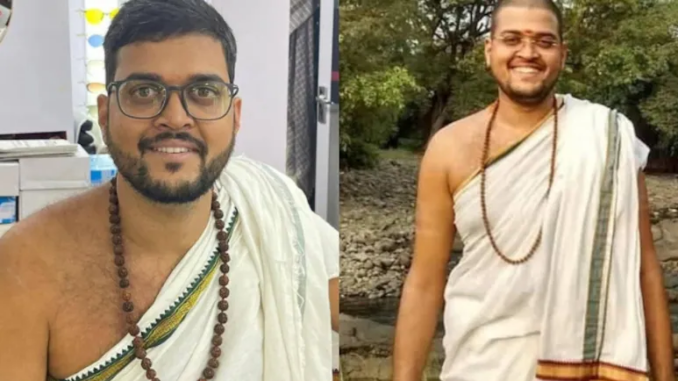
Police in Maharashtra, India, have arrested a forty-year-old self-proclaimed godman accused of raping a woman after convincing her he was an incarnation of the Hindu deity Lord Shiva. Rishikesh Vaidya, from Palghar district, allegedly contacted the victim, a woman based in Pune, through Facebook and used fabricated spiritual claims to gain her trust before sexually assaulting her in December 2023. He reportedly blackmailed her with compromising photographs to keep her silent.
The victim came forward this week to file a formal complaint, nearly two years after the assault. What gave her the courage to speak was not a sudden change in circumstances but the recent arrest of another fraudulent spiritual figure. Ashok Kharat, a self-styled godman based in Nashik, was taken into custody on multiple rape charges, and the publicity around that case gave the Pune woman the push she needed to report what had happened to her.
The pattern is disturbingly consistent. A man presents himself as a spiritual authority. He identifies vulnerable individuals, often women seeking guidance or healing, and builds a relationship rooted in manufactured reverence. Once trust is established, the exploitation begins. The use of social media as a first point of contact adds a modern layer to what is ultimately an old predatory strategy dressed in religious clothing.
India has seen a steady stream of such cases over the years. Self-proclaimed holy men operating outside any recognised religious structure have been convicted of crimes ranging from sexual assault to murder. Some have commanded followings in the millions before their crimes were exposed. The cases that make headlines likely represent only a fraction of what occurs, given the shame, fear, and spiritual manipulation that keep victims from speaking out.
Reactions to the story, reported by NDTV, reflected deep frustration. Commenters criticised the recurring nature of these scandals and questioned why fraudulent spiritual figures continue to operate with such impunity. Many responses carried a tone of bitter sarcasm, pointing to what they described as a cultural environment that enables men to weaponise faith for personal gain. Engagement on the post was moderate, suggesting a public that is outraged but no longer shocked….See More








Leave a Reply