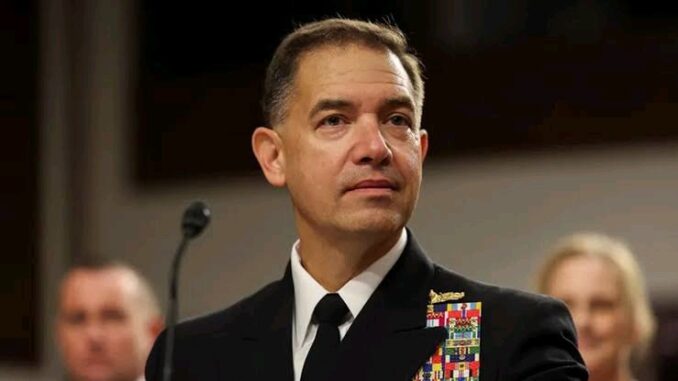
As reported by The Times of Israel on March 26, 2026, Adm. Brad Cooper, commander of US Central Command, revealed troubling observations regarding the current state of Iran’s military hierarchy. According to Cooper, senior generals of the Islamic Revolutionary Guard Corps (IRGC) were systematically sheltering in deep bunkers, while ordinary soldiers on the ground faced combat and operational risks with little to no protection. “The generals are protected. The people are not,” Cooper stated, emphasizing a stark divide between the leadership and rank-and-file forces. His assessment, based on monitoring multiple locations, paints a picture of a military that prioritizes its upper echelons over the welfare of frontline personnel, highlighting strategic and ethical questions regarding operational conduct within the IRGC.
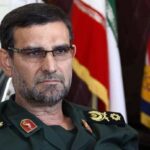
The revelations come shortly after Israel’s defense minister confirmed the death of Alireza Tangsiri, a prominent IRGC Navy commander. Tangsiri had been a central figure in Iran’s maritime operations, responsible for enforcing control over key shipping lanes. His elimination underscores the vulnerability of high-profile commanders despite the protective measures they employ, and it signals a potential shift in Iran’s military posture. Cooper’s observations suggest that while senior leadership may survive, the cost of conflict continues to weigh heavily on ordinary soldiers.
This exposure of protective disparities within the IRGC also raises broader concerns about morale and accountability. The contrast between fortified generals and exposed soldiers could deepen internal discontent, potentially affecting operational effectiveness. Analysts argue that such structural imbalances reflect a wider trend in authoritarian militaries, where leadership insulation comes at the expense of those tasked with executing orders on the battlefield……See More



Leave a Reply