

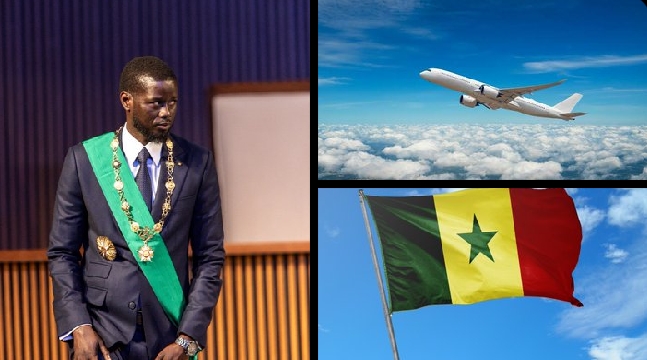
Senegal’s Prime Minister Ousmane Sonko has announced the suspension of all non-essential foreign trips by ministers and top government officials, citing the strain that high global oil prices are placing on the national budget. The decision, framed as a necessary fiscal restraint measure, comes as the ongoing US-Israeli conflict with Iran continues to disrupt oil markets and drive fuel costs to levels that are forcing governments across the developing world to make difficult choices about spending priorities.
The announcement was accompanied by images of Senegalese leadership, an airplane, and the national flag, visuals that underscored the seriousness with which Dakar is treating the economic pressure. The message was clear. The government recognises that resources are finite, the budget is under stress, and symbolic gestures of restraint from those in power matter when the population is being asked to endure rising costs.
Sonko’s administration has built a reputation on populist economics and anti-corruption rhetoric since taking office. The travel ban is consistent with that branding, but it also reflects a practical reality. Senegal, like Nigeria and much of the Global South, is vulnerable to external shocks it cannot control. When oil prices surge because of conflicts thousands of kilometres away, the impact on government revenue, import bills, and household budgets is immediate. Grounding ministers does not solve the oil crisis, but it signals that leadership is willing to share in the sacrifice rather than insulate itself from the consequences.
The response from Nigerian users on social media was immediate and pointed. Commenters praised Senegal’s decision and used it as a mirror to reflect what they see as the excesses of their own government. Nigeria’s federal and state officials are frequent travellers, often embarking on foreign trips described as official delegations, investment tours, or capacity-building missions. The costs associated with these trips, including business class tickets, hotel accommodations, and per diems, run into billions of naira annually. For a population watching fuel prices climb and basic goods become unaffordable, the sight of government convoys heading to the airport while citizens queue for petrol has become a source of deep resentment.
“Senegal has suspended ministers’ foreign trips because of oil prices. Nigeria’s ministers are still flying first class while we suffer. Make it make sense,” one widely shared comment read….See More


Leave a Reply