
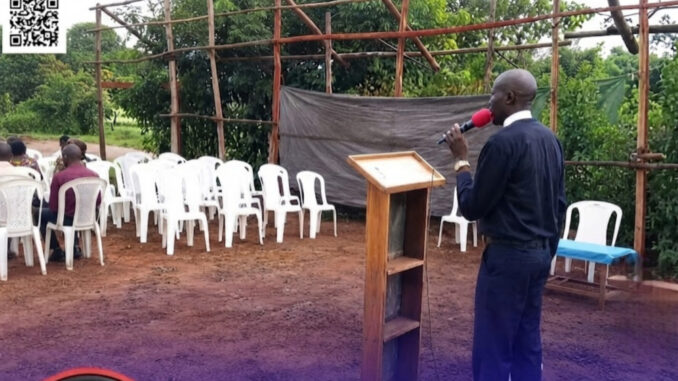
A video showing an unidentified pastor delivering a passionate sermon to rows of empty chairs has ignited widespread debate online, as many Nigerians link the low turnout to deepening economic hardship.
In the clip, shared with captions, the pastor is seen preaching with energy and conviction inside a large church auditorium. Despite visibly vacant seats across the hall, he continued ministering without apparent discouragement. The footage has since circulated widely across X, Facebook, TikTok, and WhatsApp.
The video quickly became a talking point about the cost of living in Nigeria. Several social media users suggested that members may have skipped the service to work, run small businesses, or pursue other income opportunities. Commenters cited rising food prices, transport costs, unemployment, and mounting family responsibilities as reasons many households now prioritize making ends meet over weekend worship.
“People are working Sundays now just to survive,” one user wrote. Others noted that longer work hours, including weekends, have reduced time for religious gatherings and community activities. For many, the image of an empty auditorium reflected a broader reality: faith is being weighed against financial survival.
Not all reactions were sympathetic. A segment of users criticized the absenteeism, arguing that spiritual devotion should not be suspended during hard times. They maintained that faith, fellowship, and communal worship are especially important during crises, and that stepping away from religious commitments could weaken personal resilience and community support structures.
Amid the debate, many viewers commended the pastor for his steadfastness. Social media posts described his decision to preach to an almost empty room as a sign of genuine dedication and pastoral responsibility. “He showed up for God even when the crowd didn’t,” one comment read. The moment was framed by supporters as an example of ministry beyond attendance numbers.
The viral clip has also revived conversations about declining church attendance in some urban and peri-urban communities. Analysts and faith leaders have pointed to multiple factors, including economic strain, youth migration for work, changing lifestyles, and a shift toward online or smaller fellowship groups. For younger congregants in particular, career pursuits and financial survival often compete with traditional in-person services.
Whether viewed as a sign of economic desperation or changing religious habits, the video has captured a tension many households now face: balancing spiritual life with the daily pressure to survive…Discover More






Leave a Reply