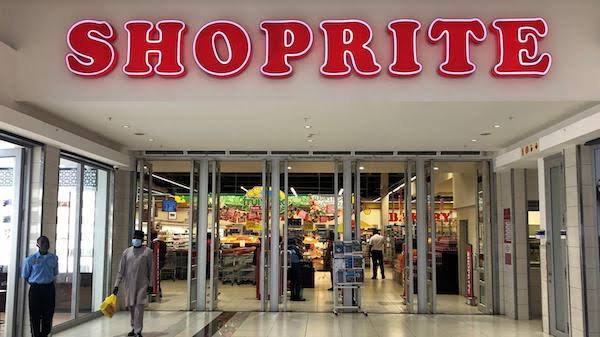
The shutdown of Shoprite Holdings operations across Nigeria has dealt a significant blow to the country’s estimated N2.5 trillion shopping mall economy, marking the end of an era for one of Africa’s largest retail chains in the Nigerian market.
Shoprite, a South African supermarket giant that operated in Nigeria for over a decade, confirmed that it has now completed the sale and transfer of its Nigerian operations, effectively ending its direct presence in the country. The development comes after the company announced in 2020 that it was reviewing its investments in Nigeria due to economic and operational challenges.
The retailer had previously sold its Nigerian business to Ketron Investment Limited, which subsequently rebranded several of the outlets. However, the final shutdown of remaining Shoprite-branded operations now signals the company’s complete withdrawal from the Nigerian retail landscape.
Shoprite first entered the Nigerian market in 2005 and quickly became a dominant player in the country’s growing mall economy. Its outlets served as anchor tenants in major shopping malls, attracting millions of customers annually and supporting hundreds of suppliers and thousands of workers across the country.
Industry analysts estimate that Nigeria’s shopping mall sector—driven largely by large retail chains, supermarkets, and entertainment outlets—is worth around N2.5 trillion, with major commercial hubs in cities such as Lagos, Abuja, and Port Harcourt.
The exit of Shoprite is expected to affect mall traffic and consumer spending patterns, particularly in locations where the supermarket served as the primary attraction for shoppers. Several malls previously relied on the retailer as a key anchor tenant that drew visitors who also patronized other stores.
Economic analysts attribute Shoprite’s exit to a combination of factors, including Nigeria’s foreign exchange challenges, rising operational costs, supply chain disruptions, and a difficult business environment for multinational retailers.
Despite Shoprite’s departure, local retail operators and supermarket chains have increasingly stepped in to fill the gap left by international brands. Nigerian-owned retailers have expanded operations in major cities, indicating a possible shift toward stronger local participation in the country’s modern retail sector….See More








Leave a Reply