

Iran has rejected all United States demands and refused to meet with American officials during mediation efforts hosted by Pakistan, according to multiple international outlets including the Wall Street Journal, Middle East Eye, and Haaretz. The breakdown, reported by GlobeEyeNews and confirmed across credible sources, represents the collapse of one of the few diplomatic channels that had remained open since the conflict between both nations escalated into direct military confrontation.
Pakistan positioned itself as a neutral mediator with relationships on both sides. Islamabad maintains strategic ties with Washington while sharing a border and longstanding cultural, economic, and security links with Iran. The proposal for talks in Pakistan appeared, at least on the surface, to offer a pathway out of a standoff that has disrupted global energy markets, fractured NATO, and pushed the region toward broader war. Tehran’s refusal to even attend the meeting effectively closes that door.
According to reports, Iran described Washington’s proposals as unacceptable and declined to send officials to Islamabad. The rejection follows an earlier dismissal of a US-proposed forty-eight-hour ceasefire, which Tehran viewed as a tactical pause designed to allow American forces to reposition rather than a genuine step toward de-escalation. Iranian officials reportedly made clear that any serious negotiation must begin with two non-negotiable conditions. The full withdrawal of US forces from regional bases and compensation for damages caused by American military strikes.
Those demands represent a starting position that Washington has shown no indication of entertaining. The United States maintains military installations across the Middle East, including in Iraq, Kuwait, the UAE, Qatar, and Bahrain. Withdrawing from those bases would fundamentally alter the regional security architecture that has underpinned American influence in the Gulf for decades. Compensation for damages from strikes that Washington frames as defensive or retaliatory is equally implausible from the American perspective. The gap between what Iran is demanding and what the US is willing to concede is not a negotiating distance. It is an ideological chasm.
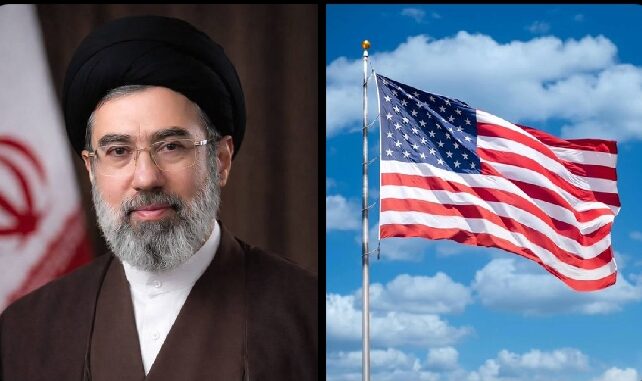
The image accompanying the post showed an Iranian official alongside the American flag, a visual that emphasised the refusal without requiring additional text. The symbolism was clear. Iran is not negotiating on American terms, and it is not interested in cosmetic dialogue that leaves the fundamental power imbalance unchanged.
For Pakistan, the failure is both diplomatic and strategic. Islamabad had hoped that facilitating dialogue would elevate its role as a regional power capable of bridging divides that others could not. The rejection damages that ambition and leaves Pakistan in an uncomfortable position, caught between two powers whose conflict threatens to destabilise the wider region including Pakistan’s own border areas.
For the rest of the world, the breakdown means that the disruption to the Strait of Hormuz will continue, oil prices will remain elevated, and the risk of further escalation remains live. Every closed diplomatic door increases the likelihood that the next chapter of this conflict is written not in meeting rooms but on battlefields….See More




Leave a Reply