The Governing Body of Jehovah’s Witnesses has announced a significant update to the religious group’s long-standing blood doctrine, confirming that members may now personally choose to have their own blood stored and reinfused during medical procedures. The change, communicated through an official video on the organisation’s website on March 20, 2026, marks a notable shift in a policy that has shaped medical decisions within the faith for approximately 75 years. The prohibition on accepting blood transfusions from donors, however, remains firmly in place.
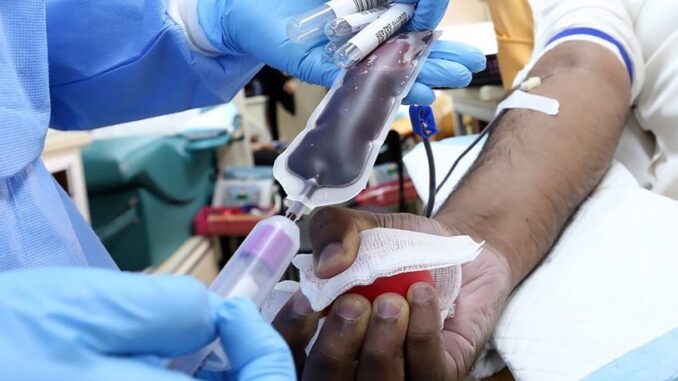
The updated position centres on what is known medically as autologous blood procedures, where a patient’s own blood is collected, stored, and later returned to them during surgery or treatment. Under the previous interpretation of the doctrine, members were discouraged from allowing their blood to be stored externally beyond brief periods, even if it was their own. That restriction placed Jehovah’s Witnesses in difficult and sometimes fatal positions during surgeries where significant blood loss was anticipated. The new guidance effectively removes that barrier, leaving the decision to individual conscience while maintaining the broader theological stance against the use of donated blood.
The doctrine itself is rooted in biblical passages, particularly Acts 15:28-29, which instructs believers to abstain from blood. Jehovah’s Witnesses have historically interpreted this as a divine command that extends to medical transfusions, a position that has drawn both admiration for its conviction and criticism for its consequences. Over the decades, reports of members, including children, dying after refusing blood transfusions during emergencies have generated intense public debate and legal challenges in multiple countries.
The Governing Body framed the update as a matter of personal choice rather than a reversal of doctrine.
No single quote was attributed to an individual spokesperson in the announcement, but the official video confirmed that the decision now rests with the individual member regarding autologous blood storage and reinfusion.
For Nigerian Jehovah’s Witnesses, the change carries practical significance. Nigeria’s healthcare system already faces challenges with blood supply shortages, and patients who belong to the faith have historically navigated complex situations when blood-related procedures became necessary. The updated policy may ease some of those pressures, giving members and their families a wider range of medical options without placing them in conflict with their beliefs. In a country where faith and medicine frequently intersect, the adjustment could have a meaningful impact on how Witnesses approach surgeries and emergency care….See More
Source: Official jw.org video and major news outlets.







Leave a Reply