

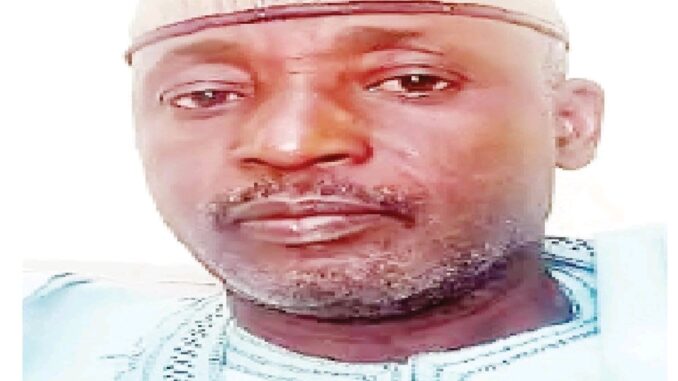
After reports emerged that the United States Congress was considering legislation that could classify certain Fulani organisations as terrorist groups, the National President of the Gan Allah Fulani Development Association, Ibrahim Abdullahi, during an interview with Nigerian Tribune correspondent, alleged that the US was not properly informed about the real situation.
Responding to the development, Abdullahi expressed concern over what he described as a biased approach by American lawmakers. He suggested that the move appeared to rely on what he called a one-sided narrative promoted by individuals who view the Fulani as adversaries.
According to him, such a position overlooks the broader reality of national unity in Nigeria, where citizens of different ethnic, religious and regional backgrounds are expected to coexist peacefully and safeguard one another’s interests. He stressed that every Nigerian, regardless of tribe, faith or place of origin, deserves protection and equal consideration.
He said, “It is very sad and very unfortunate for them to even contemplate branding an association that is duly registered by the Federal Government of Nigeria through the Corporate Affairs Commission.
“These two associations are cultural associations which were registered by the CAC after submitting their aims and objectives. And the Federal Government became satisfied with their aims and objectives.
“I believe the American Congressmen did not read the aims and objectives of MACBAN and KAUTAL HORE.”
He described the US initiative as unfair and one-sided, suggesting it reflects a broader inconsistency in how the American legislature approaches global issues. He argued that some members of the US Congress appear to have taken a particular narrative from certain critics who characterise Fulani groups negatively, rather than looking at the full picture.
According to reports, a bill before the United States House of Representatives—titled the Nigeria Religious Freedom and Accountability Act of 2026—seeks to impose visa bans and asset freezes on individuals and organisations accused of serious violations of religious freedom, including former Kano governor Rabiu Kwankwaso and Fulani-associated groups like the Miyetti Allah Cattle Breeders Association of Nigeria and Miyetti Allah Kautal Hore.
He suggested that the move is influenced by lawmakers who, in his view, have shifted from professed democratic principles toward championing specific religious interests, particularly because of perceived failures to protect Christians in other conflict zones. He also noted the inconsistency of similar actions taken in other countries.
He expressed the worry that Nigeria is being treated as if it were a US state, rather than a sovereign nation with its own legal and institutional processes. He urged the Nigerian government to assert its authority and protect the reputation and integrity of its citizens and lawful associations, pointing out that organisations cited in the bill — like the ones under discussion — are registered and recognised within Nigeria.
He also defended individuals named in the proposed measure, describing them as patriotic citizens with reputations for inclusiveness, and argued that any external actions linking them with wrongdoing are unjustified and should be challenged by Nigeria’s federal government….See More

Leave a Reply