According to anonymous global source report on Friday February 27, 2026, indicates a potential escalation of maritime tensions in the Persian Gulf, with allegations suggesting Iranian forces utilized electronic warfare systems to disrupt and disable a United States Navy MQ-4C Triton high-altitude reconnaissance drone operating over the Strait of Hormuz.
According to information circulating, this incident reportedly occurred while the unmanned aerial vehicle was conducting routine intelligence, surveillance, and reconnaissance (ISR) missions from a base in the United Arab Emirates. This development could signify a setback for US operational capabilities in a strategically vital waterway, through which approximately one-fifth of global oil supplies transit daily.
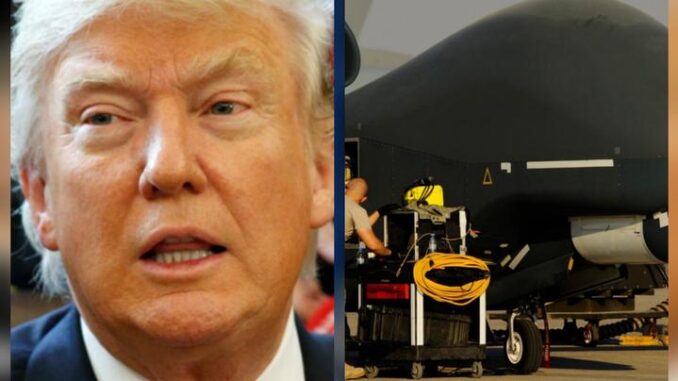
The MQ-4C Triton, a sophisticated maritime patrol asset valued at an estimated $130–220 million per unit, was reportedly flying at approximately 33,000 feet under the callsign OVRLD1 and registration 169660 when it transmitted aviation emergency code 7700, indicating an in-flight distress situation. Shortly thereafter, the drone reportedly vanished from civilian and open-source tracking platforms.
Information suggests that Iranian electronic warfare measures may have interfered with its command-and-control links, leading to a loss of operational control. This scenario aligns with Tehran’s demonstrated capabilities in previous encounters, though neither the US Department of Defense nor Iranian authorities have issued official confirmation or comment.
If verified, this incident would represent the second combat loss of a US high-altitude ISR platform in the same location since June 2019, when Iran reportedly shot down an RQ-4 Global Hawk drone in international airspace over the Strait of Hormuz.
The Triton’s disappearance coincides with heightened US–Iran frictions, including reciprocal drone engagements, intensified sanctions, and expanded American naval deployments in the region. Analysts note that such events underscore the evolving electronic warfare domain in modern conflicts, where non-kinetic disruptions can achieve effects comparable to kinetic strikes without direct attribution.
The absence of an official Pentagon response has fueled speculation and heightened concerns among regional observers regarding the implications for freedom of navigation and deterrence postures in the Gulf….See More







Leave a Reply