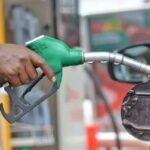
The recent increase in the price of petrol (Premium Motor Spirit – PMS) has led to a significant rise in transportation costs across Nigeria, placing additional financial pressure on millions of citizens who rely on public transport for their daily activities.
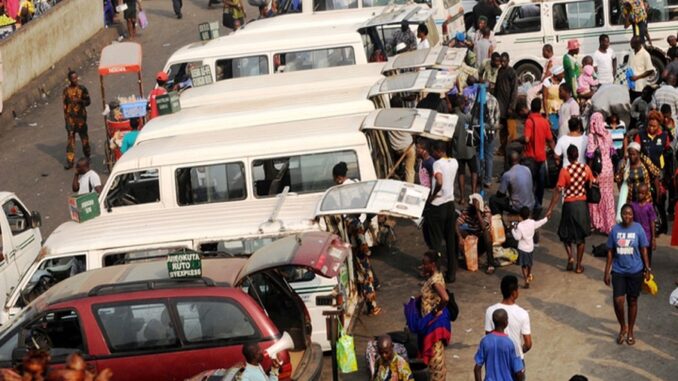
Across major cities including Lagos, Abuja, Port Harcourt, Kano, and Ibadan, commuters have reported noticeable increases in transport fares as commercial drivers adjust prices to cope with higher fuel costs. The development has affected both intra-city transportation, such as buses and tricycles, as well as inter-state travel.
Many commercial drivers say the fare adjustments are necessary because fuel remains the primary operating cost for transport operators. According to drivers interviewed in various motor parks, the price they pay for petrol has risen significantly, forcing them to increase fares in order to remain in business.
Passengers, however, say the sudden increase has made daily commuting more difficult, especially for workers, students, and small business owners who must travel regularly. Some commuters reported that transport fares on certain routes have doubled compared to previous months.
Transport unions in several states have also acknowledged the impact of rising fuel prices on their members. They explained that apart from petrol costs, drivers must also deal with vehicle maintenance, spare parts, and other operational expenses, which have also increased due to inflation.
Nigeria has experienced multiple fuel price adjustments in recent years following the removal of petrol subsidy by the Federal Government in 2023. Since then, petrol prices have been largely influenced by market forces, exchange rates, and global crude oil prices, leading to periodic fluctuations in pump prices.
Economic analysts say that higher transportation costs often have wider effects on the economy, as they can lead to increased prices of goods and services. Traders and logistics operators typically factor transportation expenses into the final price of food items and other commodities.
As a result, consumers may face higher costs not only when traveling but also when purchasing everyday items in markets and stores.
Some Nigerians have called on the government to introduce measures that could ease the burden on citizens, such as expanding public transportation systems, improving rail networks, or providing targeted support for low-income households.
Meanwhile, experts say that increasing local fuel production through domestic refineries, including the Dangote Refinery and rehabilitated state-owned refineries, could help stabilize supply and potentially moderate fuel price fluctuations in the long term….See More




Leave a Reply